Showing posts with label Europe. Show all posts
Showing posts with label Europe. Show all posts
Friday, 12 October 2012
Head to Istanbul, Prague and Madrid for best value weekend away

Saturday, 6 October 2012
Tips for Riding Europe's Subways and Buses

Thursday, 27 September 2012
10 Europe Country in Autumn

Wednesday, 18 July 2012
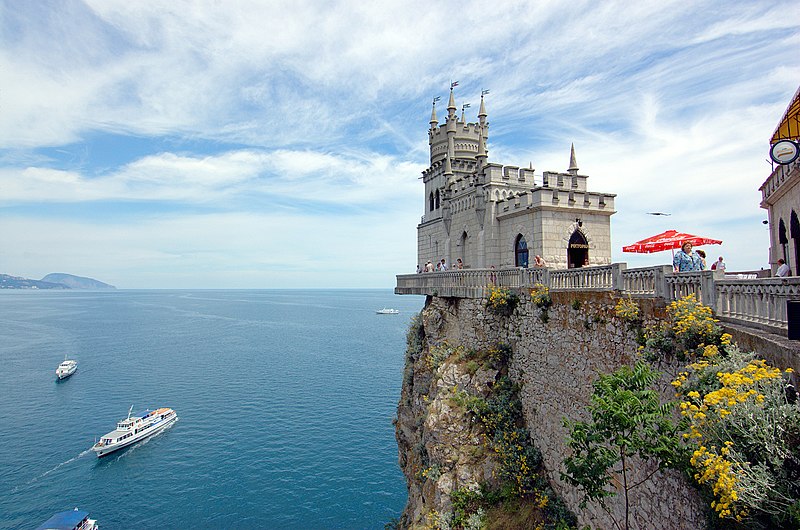
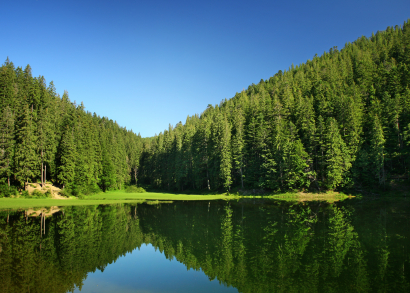
Ukraine Country




Monday, 25 June 2012
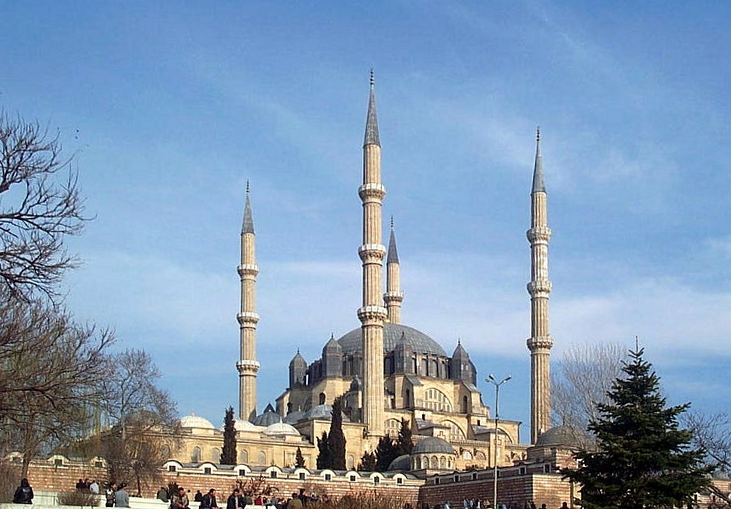
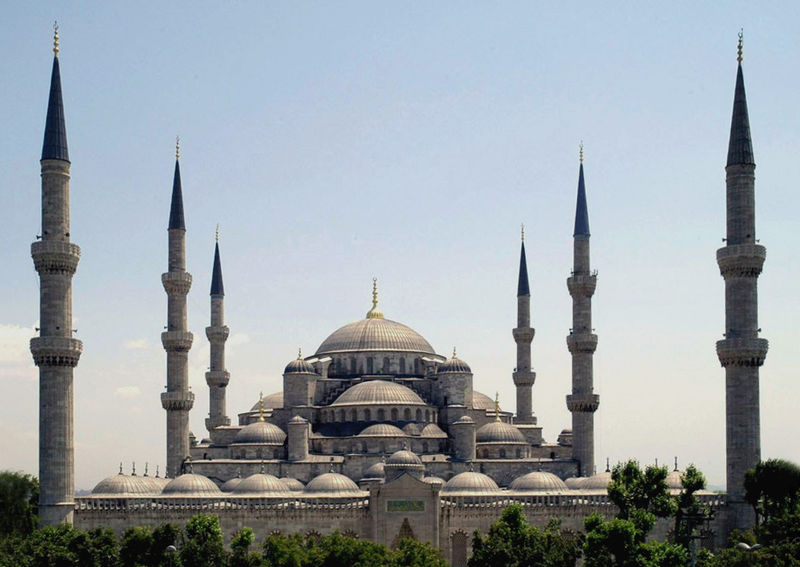
Turkey Country
Area: Approx 780,000 sq km (300,000 sq miles)
Population: 71.9m (July 2008 est.)
Capital city: Ankara
People: Majority Turks. Certain non-Muslim minorities recognised under the Treaty of Lausanne including Jews, Armenians and Greeks. Other ethnic peoples include Kurds, Circassians and Bosnians.
Language: Turkish (official), Kurdish
Religion: Muslim
Currency: Turkish Lira (TL)
Major political parties: AKP (Justice and Development Party), CHP (Republican People's Party), MHP (Nationalist Action Party), Government: Parliamentary republic
Head of State: President Abdullah Gul
Prime Minister: Recep Tayyip Erdoğan (AKP)
Foreign Minister: Prof Ahmet Davutoğlu (AKP)




Wednesday, 20 June 2012
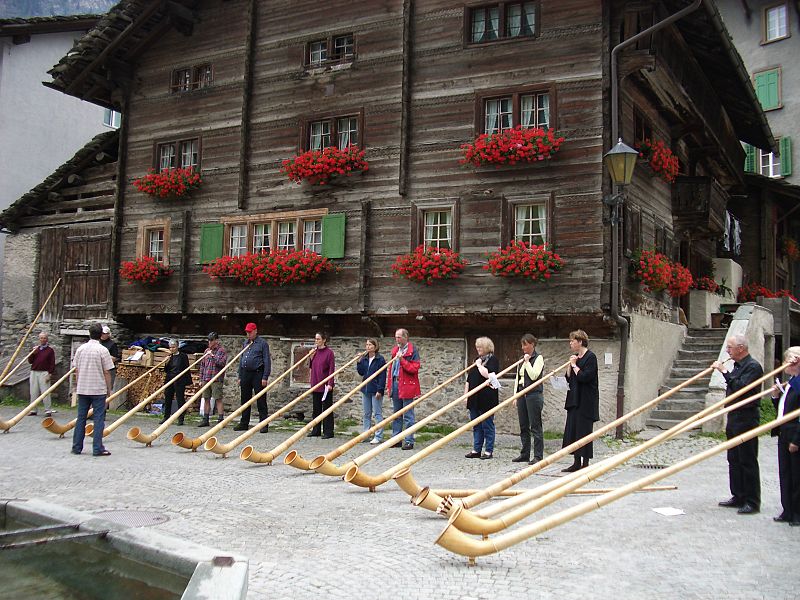
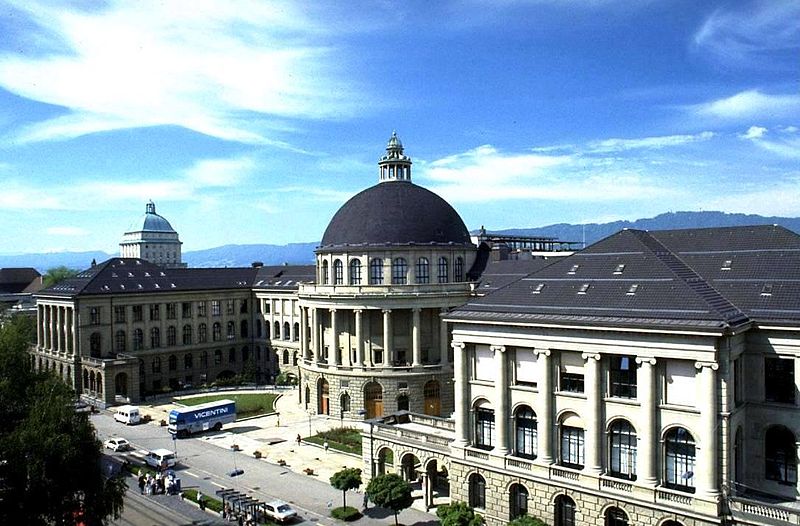
Switzerland Country




Area: 41,293 sq km (16,000 sq mi)
Population: 7.8 million (2010)
Capital City: Berne
People: German (64%), French (20%), Italian (6.5%), Rumantsch (0.5%), Other (9%)
Languages: Swiss German, French, Italian, Rhaeto-Rumantsch
Religion(s): Roman Catholic (46.1%), Protestant (40%), Muslim (4.3%)
Currency: Swiss franc (SFr)
Major political parties: Radicals (FDP – [party president] Fulvio Pelli), Christian Democrats (CVP - Christophe Darbellay), Social Democrats (SP - Hans-Juerg Fehr), People's Party (SVP - Toni Brunner)
Government: Seven member Federal Council
Political system: Federal Republic with strong local governments (cantons)
Head of the Federal Department of Economic Affairs: Johann Schneider-Ammann
President of the Confederation 2010 and Foreign Minister: Micheline Calmy-Rey (since 2003)
Membership of international groupings/organisations: Council of Europe, EAPC/PfP, EBRD, EFTA, IBRD, IMF, OECD, OSCE, UN, UNESCO, UNHCR, WTO, Schengen
Friday, 25 May 2012
Sweden Country


The sophistication of the city and the charm of the village. From berserker Vikings to Nobel Prize in just a few centuries - Sweden really has earned its reputation as a model for progressive society. Throw in its gorgeous people, high standard of living, clean-lined design and magically archipelagic capital, Stockholm, and you're onto a very good thing.
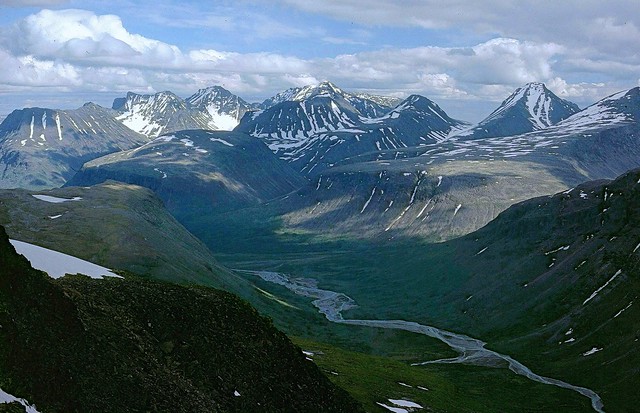
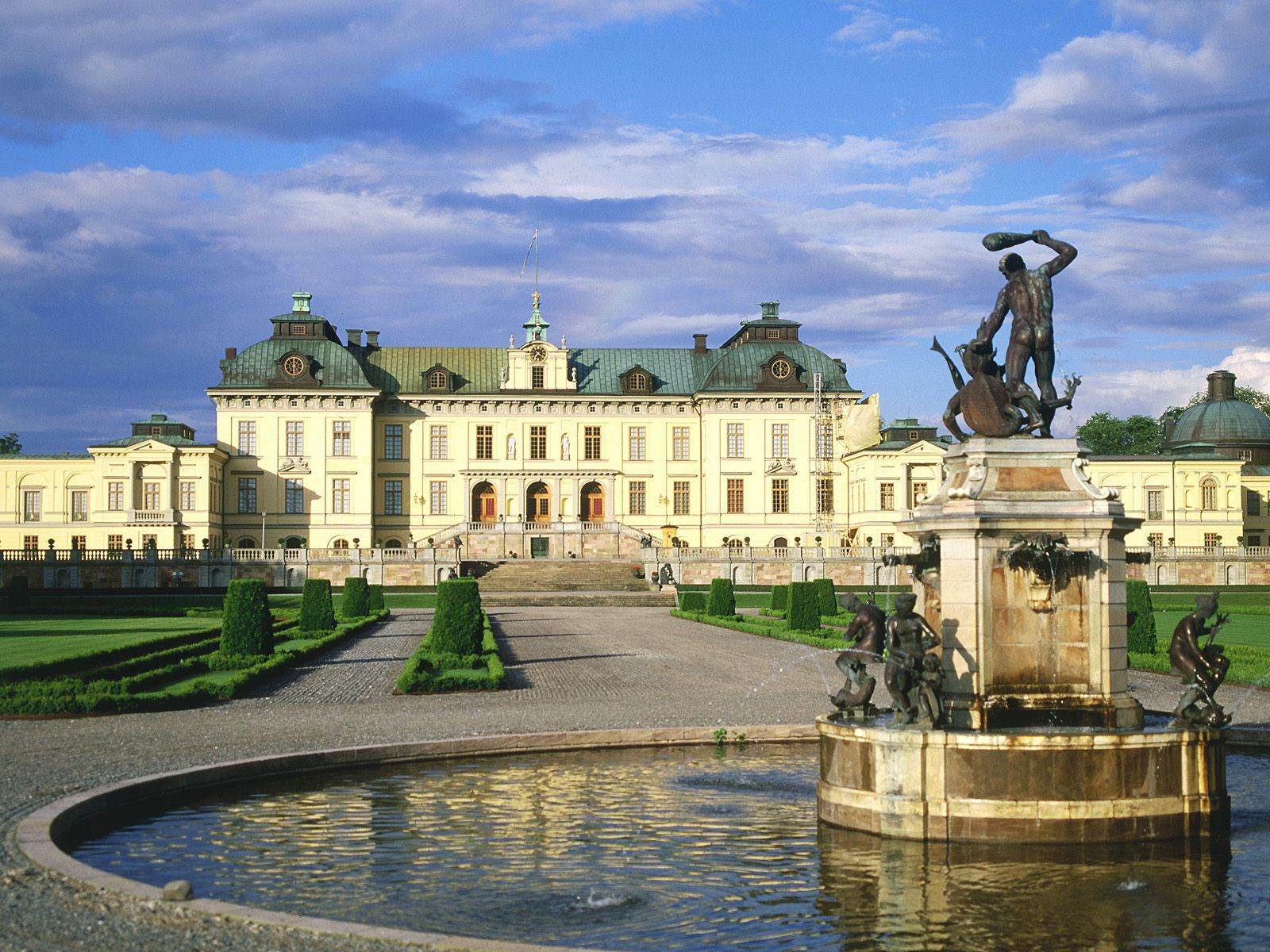
Sweden is the biggest sausage in the Scandinavian sizzle, covering an area of 450,000 sq km (175,500 sq mi). The dominant characteristics of the landscape can be attributed to glacial activity. The 7000km-long (4330mi) coastline, particularly in the west and near Stockholm, is constantly cut by fjords (long, narrow sea inlets). Lubbers rue that it doesn't get much drier inland, with about 100,000 lakes plugged into Sweden. The islands of Ö land and Gotland, south of Stockholm, consist of flat limestone, but they're sand-fringed and have been turned into beachy retreats for urban escapees. Norrland (a practical term for the northern 60% of the country) is sparsely populated, comprising a near-uniform expanse of forest, river and rapid. Norway provides a natural frontier to the west on the other side of Skanderna, Sweden's modest mountain range. Sweden's highest peak is the glacier-capped northern peak of Mt Kebnekaise at 2111m (6924ft).

Capital: Stockholm
King: Carl XVI Gustaf
Prime Minister: Fredrik Reinfeldt
Government: Constitutional Monarchy
Time zone: GMT +1
Area: 449964
Population: 9024186
People: 90% Swedes, 3% Finns, 0.15% Sami (indigenous Lapp inhabitants)
Languages: widely spoken predominantly Lutheran (87%)
Currency: Swedish Krona (Sk)
Major industries: Forestry, mining, agriculture, engineering and high tech manufacturing, telecommunications, IKEA
Major Trading Partners: EU, US
Daylight Saving: From last Sunday in March to last Sunday in October
Country Dialing Code: 46

The main international airport is Arlanda, half an hour's bus ride north of Stockholm. There are daily services to and from most European capitals. Most flights from North American and Asian centres fly through Copenhagen, where you may have to change planes. The airport departure tax is included in ticket prices. Buses and trains link up with ferries to provide services to and from Sweden, Denmark, Finland, Norway, Germany, Poland, Estonia and the UK. Swedish ports of entry include Gothenburg, Helsingborg, Malm ö and Stockholm, although ferries from northwest Finland head straight for Ume å and Skellefte å in northern Sweden and services to Germany leave from Trelleborg.

Daily domestic flights crisscross the country, but Sweden's extensive bus and train systems render flying unnecessary unless you're really pressed for time. Trains are the basis of Swedish transport outside cities, serving regional centres more quickly than buses. Buses are often the only option once you get off the beaten track. Swedish roads are of a high standard, marred only by their popularity with moose, reindeer and elk around dawn and dusk. You need only a recognised full licence to drive in Sweden: an international licence is unnecessary. Women should ask for discounts (tjejtaxi) in Stockholm taxis at night. The motorways are not open to cyclists but the long, specially designed and scenic cycle routes are better anyway. Archipelago boats sail around Stockholm and Gothenburg, and steamers on lakes such as V ä ttern, Siljan and Tornetr ä sk in Lapland make popular summer cruises and handy links if you are cycling or walking. Skippering your own boat can be perilous, given the dramatic changes in water level. Expect to encounter difficulties upon the slightest divergence from marked channels.

Sunshine junkies should visit Sweden between late May and late July, scooting out before the August rains. Monthly average temperatures in Stockholm are highest in July at about 22° C (70° F), when you can rely on nine hours of tan time. The average temperature in the northernmost mountains at this time is about 11° C (52° F), but you should be prepared for occasional sub-zero temperatures and snowfalls, even in summer; the range of temperatures north of the Gulf of Bothnia is almost 30° C (86° F). Sweden's northern latitude means that it never gets really dark from mid-May to late July, with the trade-off being a pervasive December dimness. Annual rainfall is greatest around Gothenburg at well over 700mm (28in) and falls mainly as snow in Lapland, blanketing the region for 200 days of the year. Many coastal ports are frozen all winter, while the Stockholm archipelago can be iced in for a couple of months.


Tuesday, 22 May 2012
Spain Country
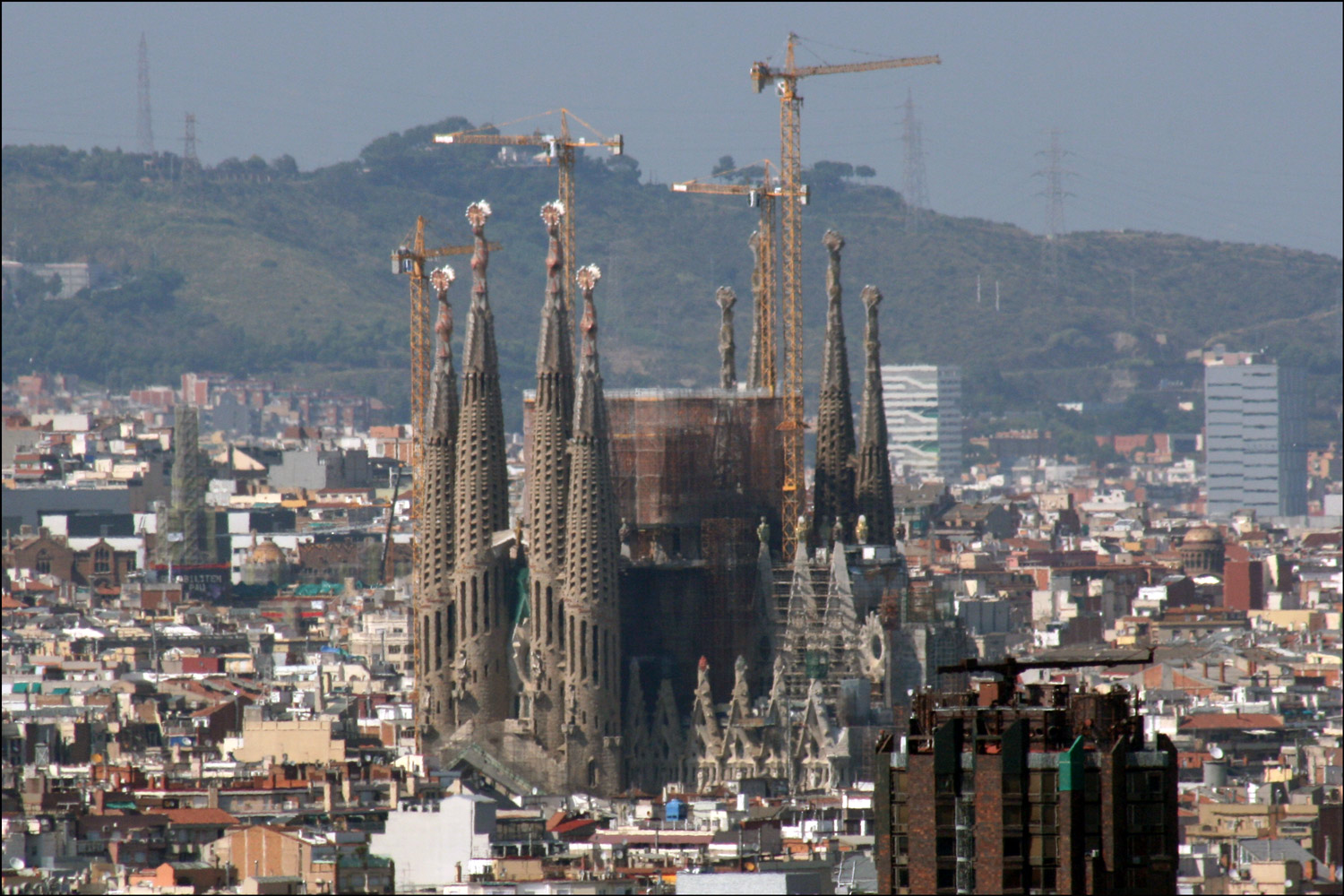

The Spanish passion for living is deliciously contagious. Once away from the holiday costas, you could only be in Spain. In the cities, narrow twisting old streets suddenly open out to views of daring modern architecture, while spit-and-sawdust bars serving wine from the barrel rub shoulders with blaring, glaring discos.

.jpg "Name: Toledo. Toledo is known as La Ciudad Imperial (the Imperial City) for a reason; this is Iberia's Rome with a cultural slug of mosques, synagogues, churches and museums. Toledo's labyrinthine narrow streets, plazas and inner patios are reminiscent of the medinas of Damascus and Cairo. Stay until dusk, if you can, when the streets take on a moody, other-worldly air.")

Spain and Portugal share the Iberian Peninsula, a vaguely square-shaped realm at the far southwestern edge of Europe. Spain occupies some 80% of this peninsula and spreads over nearly 505,000 sq km (194,982 sq mi), making it the biggest country in Western Europe after France. More than half of the country is made up of vast, elevated tablelands - the mesetas - and five major mountain ranges stretch across the country. In fact, with an average altitude of 650m (2133ft), it's the highest European country after Switzerland. Landscapes range from the deserts of Andalucía to the green wetlands of Galicia, and from the sunbaked plains of Castilla-La Mancha to the rugged snowcapped Picos de Europa and Pyrenees.

Capital: Madrid
King: Juan Carlos I
President: José Luis Rodrí guez Zapatero
Government: parliamentary monarchy
Time zone: GMT +1
Area: 505000
Population: 42700000
People: Castilians, Basques, Catalans, Galicians, Moroccans, South Americans
Languages: Also known as Castellano.Official language of Basque country.Also known as Galician and Gallego.Official language in Catalunya.
Religion: 85% Roman Catholic; 2% Jewish; 2% Muslim
Currency: Euro (€)
GDP: Approx. €730000000000
Major industries: Textiles &-ent apparel, food ent-amp; beverages, metals, chemicals, shipbuilding, tourism
Major Trading Partners: EU (especially France, Germany, Italy, Portugal, UK, Benelux), US
Daylight Saving: From last Sunday in March to last Sunday in September
Country Dialing Code: 34

Spain is dotted with international airports, and connections with the rest of Europe are good. If you're coming from the UK or from Morocco, you could consider a ferry. Otherwise, bus is the cheapest option, unless you're a whipper-snapper with an under-26 rail pass.

Getting around within Spain is best done by bus; the bus network gives you better coverage and more mile for your dollar than the rail system. If you're swanning off to the Balearics, you can go the whole luxury hog and get a flight, or pleb it on a ferry.

The meseta and Ebro basin have a continental climate: scorching in summer, cold in winter and dry. Madrid regularly freezes in December, January and February and temperatures climb above 30° C (86F) in July and August (locals describe it as: nueve meses de invierno y tres de infierno - nine months of winter and three of hell). Valladolid on the northern meseta and Zaragoza in the Ebro basin are even drier, with only a little more rainfall per year than Alice Springs in Australia. The Guadalquivir basin in Andaluc í a is only a little wetter and positively broils in high summer. This area doesn't get as cold as the meseta in winter. The Pyrenees and the Cordillera Cant á brica backing the Bay of Biscay coast bear the brunt of cold northern and northwestern airstreams, which bring moderate temperatures and heavy rainfall (three or four times as much as Madrid's) to the northern and northwestern coasts, including cities like A Coru ña.

A bomb exploded in a car in Bilbao on 9 October 2007, seriously injuring one person. The attack seems to have been politically motivated. Travellers should be alert when visiting large cities and monitor news services for further developments.
Friday, 18 May 2012
Slovenia Country
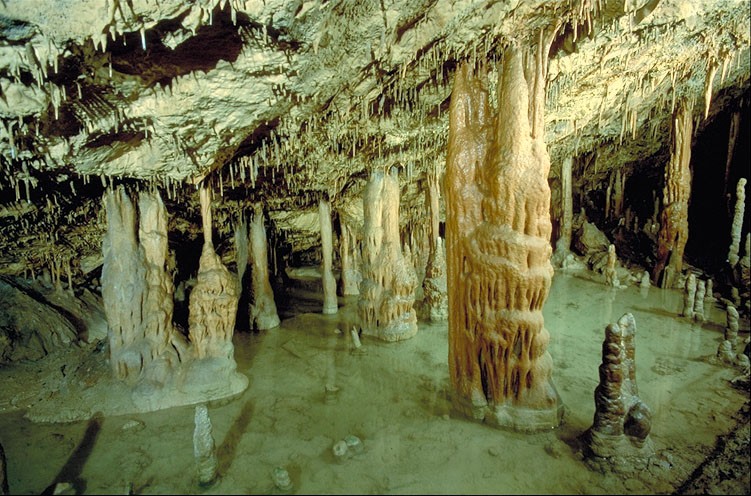

Sunny in climate and temperament, Slovenia is moving up the tourist hit parade. Rich in resources, naturally good looking and persistently peaceful, Slovenia has been doing just fine since its break from the former Yugoslavia in 1991. No longer the undiscovered, bargain gem that it was, Slovenia still remains a wonderful antidote to much of Europe's crowds and high prices.

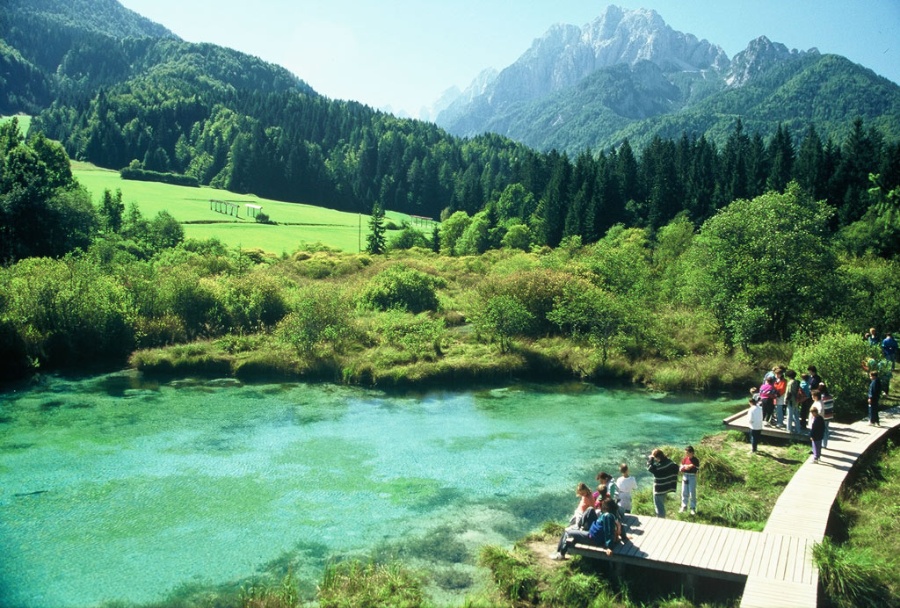
Slovenia occupies about 2% of central Europe - 20,256 sq km (7817 sq mi) of land area - and it's about the size of Israel or Wales. To the north is Austria and to the south Croatia. Shorter borders separate Slovenia from Italy in the west and Hungary in the east. Slovenia is predominantly hilly, with more than 90% of its surface over 300m (984ft) above sea level. Forest covers almost half of the country (making Slovenia one of the world's 'greenest' countries) and agricultural land - mostly made up of fields, orchards, vineyards and pastures - covers a further 43%. There are six main regions within the country: the Alps; the pre-Alpine hills; the Dinaric karst (a limestone region of caves and underground rivers) below the hills; the Slovenian littoral, 47km (29mi) of Adriatic coastline; the flat Pannonian plain; and the lowlands, which make up around one-fifth of the country, mostly in the east and north-east. The interior is drained by rivers including the Sava and the Drava (which empty into the Danube), the Soca, which flows into the Adriatic, the Mura and the Krka. The Kolpa River marks much of the border with Croatia.

Capital: Ljubljana
President: Danilo Türk
Prime Minister: Borut Pahor
Government: parliamentary democratic republic
Time zone: GMT +1
Area: 20273
Population: 1935677
People: 83.1% Slovenian, 2% Serb, 1.8% Croat, 1.1% Bosniak, other 12%.
Currency: Euro (€)
Major industries: Textiles, manufacturing, timber products, agriculture
Major Trading Partners: EU (esp. Germany, Italy, France, Austria), Croatia
Daylight Saving: From last Sunday in March to last Sunday in October
Country Dialing Code: 386
Languages: A South Slavic language written in Roman alphabet and closely related to Croatian and Serbian.This is the preferred language of the young.
57.8% Roman Catholic, 10% none, 2.4% Muslim, 2.3% Eastern Orthodox Christian, 1% Protestant, 3.5% unaffiliated.

Tourism to Slovenia has taken off recently with the launch of cheap Easyjet and Wizz Air flights from western Europe to Ljubljana. Slovenia's national airline, Adria Airways, has nonstop flights between Ljubljana's Brnik airport (LJU) and practically every major city in Europe, as well as from Tel Aviv. There's a departure tax of 36.00 for passengers leaving by air, which is usually included in the ticket price. Buses travel between Slovenia and Italy daily, using Nova Gorica in Slovenia as the easiest exit and entry point. Koper also has good bus connections with Italy: some 17 buses a day go to and from Trieste, 21km (13mi) to the northeast. It's also easy to travel by bus to and from Hungary, Croatia, Austria and Serbia-Montenegro. The main train routes into Slovenia come from Salzburg (four to five hours away), Trieste (three hours), Vienna (six hours) and Zagreb (two to three hours). Trains between Amsterdam and Ljubljana take 18 hours. There are dozens of international border crossings if travelling by car, motorcycle, bicycle or even on foot. On weekends between mid-April and mid-October, it's possible to sail between Venice and Izola (one of Slovenia's Adriatic coast towns) by catamaran.

Except for long journeys, bus is the preferred way of getting around Slovenia. There are frequent departures and the network has an octopus' reach across the country. In some cases, there's no choice; travelling by bus is the only practical way to get to Bled and Bohinj, the Julian Alps and much of the coast from Ljubljana. You might need to make a reservation on Friday afternoons, when many students leave Ljubljana for the weekend. With the exception of the new ICS express train between Ljubljana and Maribor, travel by rail is best left to sightseers: one of the prettiest rides chugs through the Soca Valley. Driving a car can be a good way to get to some of the most beautiful and isolated towns and villages in Slovenia, and rental prices are reasonable. Rental agencies at Brnik Airport and in Ljubljana have the most competitive rates. The country's tolls and petrol prices are relatively inexpensive. Slovenians drive on the right.

Slovenia's coastal area has a Mediterranean climate, typical of the coastal regions of the Adriatic. While summer is quite pleasant and mostly dry with average highs usually just below 30° C (86° F), cold northeastern bora winds and heavy rainfall often detract from the appeal of an otherwise mild winter. Inland the eastern European climate takes hold. Central Slovenia's winters are cold, though while the sun is out the mercury is usually just above zero (32° F). Unfortunately the charming summer days that sit in the high 20° Cs (low 80° Fs) are often subject to significant downpours that continue for the rest of the year.
Subscribe to:
Posts (Atom)