Showing posts with label Caribbean. Show all posts

Saturday, 23 July 2011

US Virgin Islands Country

its
its
Introduction
Despite tourists modelling cruise wear, these shimmering islands are paradise. If people are going to persist with an American dream, they may as well wake up to some of this. Though the US flag and Postal trucks prevail, the commonalities pretty much stop there. The laid-back vibe and some of the most magnificent coast on earth provide a taste of paradise and a bit of light relief to millions each year.
Destination Facts
Capital: Charlotte Amalie
Governor: John de Jongh
President: Barack Obama
Government: unincorporated territory of the US
Time zone: GMT -3
Area: 135
Population: 119827
Languages: Baptist (42%), Catholic (34%), Episcopalian (17%)
Currency: US Dollar (US$)
Weight System: Imperial
Country Dialing Code: 1340

Getting There
The peak tourist season is December to May, but this has more to do with the weather in North America and Europe than it does with the reliably balmy Virgin Islands' weather. It's therefore best to visit outside this period, when you can expect room rates to be two thirds of those charged during the busier months. An additional draw is that the calmer weather between April and August tends to keep the waters clearer for diving.

Getting there and away
There are international airports on both St Thomas and St Croix. From the US, American Airlines, Continental, Delta, United Airlines and US Airways have direct flights from several US destinations. Often these flights land in St Thomas first, then go on to St Croix. Most flights from Europe connect via Miami or San Juan in Puerto Rico. American Eagle, Seaborne Airlines, Cape Air, Clair Aero and Air Sunshine offer services between the US and British Virgin Islands. St Thomas' Cyril E King Airport is located on the southern coast, 3mi (5km) west of Charlotte Amalie. Henry E Rohlsen Airport is on the southern shore of St Croix, 7mi (11km) southwest of Christiansted. Buses and taxis ferry new arrivals to the islands' towns and resorts. A Saturday high-speed ferry does the two-hour dash between St Thomas' Charlotte Amalie and Fajardo in Puerto Rico. Tons of cruise ships dock in the US Virgin Islands, most at Charlotte Amalie, one of the Caribbean's most popular cruise destinations. Plenty of ships also call at Frederiksted on St Croix, disgorging hundreds of cruise shippers who head straight for the shops.

Getting around
The best way to travel between the islands is by boat. Frequent ferries depart from Charlotte Amalie and Red Hook on St Thomas for the short jaunt to St John, including a car ferry that plies its route several times a day (www.lovecitycarferries.com). Frequent, inexpensive ferries also travel between St Thomas and St John to Tortola and on to the other British Virgin Islands (be sure to carry a passport on these trips; you will go through Customs). Dozens of yacht charter companies provide visitors with the opportunity to sail from island to island at their own pace. To travel between St Thomas and St Croix, most passengers opt to take a seaplane (several times a day, 20 minutes). From November to May, the Salacia, otherwise known as the 'fast ferry,' shuttles passengers between St Thomas and St Croix. This 75-minute ferry is a good option if you're prone to overpacking; the seaplanes have weight restrictions (30lbs max), but the ferry does not. Hiring a car or jeep is a good way to get around the islands, though finding a parking space in Charlotte Amalie can be troublesome. Scooters and motorbikes can also be hired, but are not recommended, as the roads are steep, windy and often populated with chickens and mangy dogs. Signage around the islands is usually restricted to route numbers - the free tourist maps include these. Keep in mind: you drive on the left-hand side of the road (a la Britain), but the steering column is also on the left (a la the US), making it confusing as hell. Signs saying 'keep your shoulder to the shoulder' help you avoid head-on collisions. There are decent, if slow, bus services on St Thomas and St Croix, and a fledgling service on St John that runs between Cruz Bay and Salt Pond. Taxis are abundant on all islands, especially the open-air variety that carry 12 or so passengers at a time. They charge a set rate based on the destination and how many passengers are onboard.

Visa:
No visas or passports are required for citizens of the US and Canada, though you'll have to prove citizenship by way of a birth certificate, voter's registration card or valid passport. This will change as of December 31 2006, however, when the Western Hemisphere Travel Initiative mandates that all travellers reentering the US will be required to carry a passport. Most other nationalities don't need a visa either (although it is always wise to check with your embassy beforehand), but will need a passport for a stay of less than 90 days. Proof of onward transportation is required upon entry.

Weather
Reliably Caribbean, the weather is balmy, with daily highs between a cosy 77 ° F (25 ° C) in winter and 82 ° F (28 ° C) in summer. Perhaps the most pleasant climatic aspect of these islands is the combination of the trade winds that keep humidity low, and the Caribbean currents that keep waters warm. During the wettest months, July through October, rainfall comes in short powerful bursts that are more likely to cool you off than dampen your visit.
its

Friday, 15 July 2011

Puerto Rico Country

its
its
Introduction
A bustling island whose shiny consumerism rubs up against an unspoiled interior. Puerto Rico is where four centuries of Spanish Caribbean culture comes face to face with the American convenience store. This leads to some strange juxtapositions - parking lots and plazas, freeways and fountains, skyscrapers and shanties - but it's all apiece with the Caribbean's hybrid history.

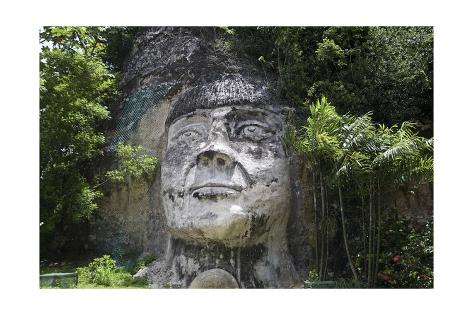
Travellers who venture into the island's mountainous interior or explore its undeveloped coasts come across stately hill towns where the locals in the plaza seem to have been feeding the same pigeons for decades, and reefs where divers can see 30 species of fish in as many seconds.

Geography:
Puerto Rico is rectangular, sandwiched between the bulk of Hispaniola (shared by Dominican Republic and Haiti) and the tiny archipelagos of the US Virgin Islands. The Atlantic Ocean lies to the north and the Caribbean Sea to the south. The mainland measures 100mi by 35mi (175km by 56km) , about the size of Corsica, and is roughly bisected by the rugged Cordillera Central, whose high point is the 4400ft (1340m ) Cerro la Punta. The hills drain into Puerto Rico's lush northern coast and the drier southern region. The small islands of Vieques and Culebra (to the east) and Mona (to the west) are also Puerto Rican territory.

Destination Facts
Capital: San Juan
Governor: Luis Fortu ñ o
Government: commonwealth of the United States
Time zone: GMT -4
Area: 9060
Population: 3915798
People: Hispanic 88.5%, Amerindian 0.4%, Asian 0.2%, mixed and other 10.9%
Languages: Roman Catholic (85%), Protestant
Currency: US Dollar (US$)
Major industries: pharmaceuticals, clothing, food products, electronics, tourism
Major Trading Partners: USA, Netherlands Antilles, Trinidad & Tobago
Country Dialing Code: 787

Getting There
The peak tourist season is between December and April, but this has more to do with the climate in North America than anything else. During these months the island is swamped by visitors, prices are highest and accommodation can be hard to find. Obviously it's much less crowded during the official hurricane season (May through November). Although hurricanes are rare, they're able to do more than merely put a dampener on your holiday. Definitely keep an eye on weather reports if you're in Puerto Rico at this time, especially in August, September and October. If you intend to travel inland bring a sweater for the evenings regardless of when you visit - it's much cooler in them thar hills.

Getting there and away
Puerto Rico is the most accessible island in the Caribbean. San Juan is a major hub for American Airlines, so there's easy access to its US domestic network. A number of other North American carriers fly between Puerto Rico and a score of mainland cities; Miami has the most frequent flights. Air Canada has direct service from Toronto and Montreal. British Airways has services from London, Iberia from Madrid and Condor from Frankfurt.San Juan's Luis Mu ñ oz Mar í n International Airport is on the eastern fringe of the city. There are car rental agencies at the airport and plenty of taxis and buses for the short jaunt into San Juan. There's a baggage check in Terminal C, which is handy if you're island hopping and want to travel light. There are excellent air connections to many Caribbean islands, including BWIA flights to Antigua, Barbados, Jamaica and Trinidad, and Air France connections to Guadeloupe and Martinique. American Airlines and American Eagle have short-hop flights to the popular day-trip destination of St Thomas and St Croix in the US Virgin Islands, and Tortola in the British Virgin Islands. There are also flights to South and Central American destinations. There's a 14.10 airport departure tax when leaving San Juan, usually included in your airline ticket price.There are weekend ferries from Fajardo to St Thomas in the US Virgin Islands.

Getting around
Renting a car is the best way to see the island. International car rental agencies are well represented and there are plenty of local operators. Your home driving license is valid. Note that local driving habits are erratic (to be kind) though relatively aggression-free (to be fair). Also watch out for the speed limit signs, which are in miles per hour, even though distances are in kilometres. Driving is on the right-hand side of the road. If driving doesn't appeal, you can stock up on patience and take public transport. Minivans known as p ú blicos link all decent-sized towns on the island. They have no set schedule and usually operate in short hops, so be prepared for several changes if you're travelling a long distance and it's not between two major cities. P ú blicos are cheap, sociable and recognizable by the 'P' or 'PD' on their license plate. You can flag one down anywhere. Metered taxis are plentiful in San Juan and other major tourist centres. Cheap government-operated ferries do the run from Fajardo to the islands of Culebra and Vieques. At least four ferries a day ply either route and the journey to either island is around one hour. It's possible to take a car, including rental cars, on the ferry to Culebra but it's necessary to book well in advance.

Visa:
US & Canadian citizens do not require visas or passports but must have valid ID. Citizens of many western European countries, Australia, New Zealand and Japan can take advantage of a US reciprocal visa waiver program if they intend to stay less than 90 days. Citizens of all other countries require a US visa.

Weather
Puerto Rico is balmy year round, with daily highs averaging between 27-30 ° C (80-86 ° F). Hurricane season is between May and November, especially intense in the months of August, September and October. Otherwise rain is fairly regular throughout the year, with February and March being slightly drier than other months.

Places of Interest
Puerto Rico is where four centuries of Spanish Caribbean culture comes face to face with the American convenience store. This leads to some strange juxtapositions - parking lots and plazas, freeways and fountains, skyscrapers and shanties - but it's all apiece with the Caribbean's hybrid history.

Travellers who venture into the island's mountainous interior or explore its undeveloped coasts come across stately hill towns where the locals in the plaza seem to have been feeding the same pigeons for decades, and reefs where divers can see 30 species of fish in as many seconds.

Saturday, 2 July 2011

Trinidad & Tobago Country

its
its
Introduction
Caribbean in spirit, Trinidad & Tobago grooves to a South American beat. Tobago and its big sister, Trinidad, are the Caribbean's odd couple. Tiny Tobago is relaxed, slow-paced and largely undeveloped. Trinidad is a densely populated, thriving island with a cosmopolitan population and strong regional influences.

Destination Facts
Capital: Port of Spain
President: Maxwell Richards
Prime Minister: Patrick Manning
Government: independent republic within the British Commonwealth
Time zone: GMT -4
Area: 5128
Population: 1270000
Languages: Roman Catholic (30%), Hindu (24%), Anglican (11%), other Protestant denominations (29%) and Muslim (6%)
Currency: Trinidad & Tobago Dollar (TT$)
Country Dialing Code: 868

Getting There
Carnival, two days before Ash Wednesday in either February or March, is the best reason to go to Trinidad. However, accommodation is steeply discounted and crowds almost nonexistent in the shoulder seasons - October to December and April to June - though you should do a little dance to keep the rain lords from weeping on your beach blanket.

Getting there and away
Flights to and from the USA, Canada, the UK, South America and other Caribbean Islands come and go from Piarco International Airport (23km/14mi east of Port of Spain in Trinidad) and Crown Point International Airport in Tobago. Taxis with established fares link Piarco International airport with Port of Spain. Cruise ships dock at the south side of Port of Spain. There's a smaller cruise-ship facility in Scarborough on Tobago. Trinidad & Tobago is beyond the main sweep of most hurricanes, making it a safe haven for yachters. Once a week, on Wednesday mornings, a passenger ferry travels from Chaguaramas on Trinidad to Guiria, Venezuela.

Getting around
BWIA is the main airline between Tobago and Trinidad, with up to nine daily flights making the 15-minute jaunt between the islands. Plenty of bus choices operate in Port of Spain linking Trinidad's largest towns. The main departure point is the City Gate terminal on South Quay. An information booth manned 07:00-19:00 weekdays and till noon Saturday operates from the west side of the bus platform. In Tobago a regular bus service from Scarborough runs to Crown Point, Plymouth and most villages on the island. Driving is on the left here and a home driver's license from the USA, Canada, UK, France or Germany or an International Driving Permit is valid on Trinidad & Tobago for stays of up to three months. There are car rental offices in both Trinidad and Tobago, though you must be 25 or older to rent in Tobago. 'Tourist taxis' with established prices operate around Trinidad, as do 'Route' taxis, operating set routes for a minimal charge. Hail them as you would a normal taxi, anywhere along their route. 24 hour 'Maxi taxis' operate along colour-coded zones as well; these are a little more flexible in their routes. Many taxis can be hired for touring, though official companies do operate from St James. Hitching is common on the islands, as is cycling. Five hour ferry trips run daily (though only rarely on Saturday) between Port of Spain in Trinidad and Scarborough in Tobago.

Visa:
Citizens of the USA, Canada, UK and most European countries do not require visas. Visas are required by citizens of some countries, including Australia, New Zealand, India and Sri Lanka. In most countries, visas are obtained through the British Embassy, or you can pay 100.00 upon arrival at the airport.

Weather
Because of Trinidad's southerly location, temperatures are equable year round. The average daily high temperature in Port of Spain is 31 ° C (88 ° F) in both January and July, while the low averages 22 ° C (72 ° F) in July and is only one degree cooler in January. December to May are the driest months, with a relative humidity of 75%. June to August, the wettest months, average 260mm (10in) of rain and 23 rainy days each month. Trinidad & Tobago are outside the hurricane belt and generally don't experience the severe storms that hit the more northerly islands.
its

Monday, 20 June 2011

Jamaica Country

its
its
Introduction.
Cast aside clich é and let Jamaica reveal its swaying, golden secrets. Ever since Errol Flynn cavorted here with his Hollywood pals in the 1930s and '40s, travellers have regarded Jamaica as one of the most alluring of the Caribbean islands. Its beaches, mountains and carnal red sunsets regularly appear in the sort of tourist brochures that promise paradise.
Unlike other nearby islands, it caters to everyone from beach bums to newlyweds: you can choose a private villa with your own secluded beach; laugh your vacation away at a party-hearty resort; or throw yourself into the thick of the island's life while experiencing the three Rs: reggae, reefers and rum.

'Jamaica is a little nice great place. I really love Jamaica, because I have walked plenty of stony land in Jamaica and plenty of hills.' - Bob Marley

Geography:
Columbus described Jamaica as 'the fairest isle that eyes beheld; mountainous...all full of valleys and fields and plains'. Roughly ovoid in shape and lying 90 miles (145km) south of Cuba, it's the third-largest island in the Caribbean. Despite its relatively small size, Jamaica boasts an impressive diversity of terrain and vegetation, although few visitors venture far enough afield to experience it. The rugged island is rimmed by a narrow coastal plain, pitted with bays everywhere but in the south, where broad flatlands cover extensive ruler-straight stretches. Most of the resorts huddle along the north coast, where the vegetation is lush and the beaches are white and sandy. The limestone interior is dramatically sculpted by deep vales and steep ridges, dominated by basket-of-eggs topography such as Cockpit Country, a virtually impenetrable tract pitted with bush-covered hummocks, vast sinkholes, underground caves and flat valley bottoms. The uplands rise gradually from the west, culminating in the Blue Mountains in the east, which are capped by Blue Mountains Peak at 7402ft (2220m).

Destination Facts
Capital: Kingston
Governor General: Kenneth Octavius Hall (representing Queen Elizabeth II)
Prime Minister: Bruce Golding
Government: Independent state within the British Commonwealth
Time zone: GMT -6
Area: 11000
Population: 2652689
People: 76% African descent, 15% Afro-European descent, 4% European, 3% East Indian &-ent Middle Eastern, 1% Afro-Chinese ent-amp; Chinese
Languages: 80% Christian, including revivalist cults such as Pocomania, which blends European and African religious beliefs, and Rastafarianism, whose dogma embraces a complex core of spiritual and social beliefs rooted in the idea that Africa is the black race's spiritual and physical motherland.
Currency: Jamaican Dollar (J$)
Major industries: Tourism, bauxite, sugar, bananas, rum, coffee, yams and chemicals
Major Trading Partners: USA, Canada, UK, Netherlands, Norway
Weight System: Imperial
Country Dialing Code: 876

Getting There
Jamaica is a year-round destination: winter is usually warm by day and mild to cool by night; summer months are hot. The rainy season extends from May to November, with peaks in May and June and in October and November. Rain usually falls for short periods (normally in the late afternoon), and it's quite possible to enjoy sunshine for most of your visit during these months. In Portland parish, however, it can rain for days on end. Tourism's high, or 'winter', season runs from mid-December to mid-April, when hotel prices are highest. Many hotels charge peak-season rates during Christmas and Easter.

Getting there and away
Jamaica is easy to get to, enjoying one of the best air feeds in the Caribbean from both North America (usually Miami or New York) and Europe (through London or several cities in Germany). Australasian visitors have to travel via North America. The majority of international visitors land at Montego Bay's Donald Sangster International Airport, but there is another international airport at Kingston. Jamaica is an easy yachters' hop from neighbouring islands and the eastern seaboard of North America, as well as being a regular port of call for cruise ships. There is a 27.00 departure tax for air travellers.

Getting around
Intra-island flights through Air Jamaica Express and TimAir can be a quick way to travel between Montego Bay, Kingston, Negril, Ocho Rios and Port Antonio. Helicopters can also be chartered for scenic rides or for personalised tours, but this will dig a deep hole in your rum money. Jamaica's bus 'system', while comprehensive, is the epitome of chaos: timetables don't really exist and buses are often literally overflowing. Buses and minibuses do service virtually every village in the country though, so if you're getting out and about, you're sure to use them. The upside is that they're inexpensive and a great way to meet the locals. Numerous local and international operators rent cars and motorcycles. Road conditions vary from excellent to awful, and driver temperament varies from merely impatient to flagrantly suicidal. Expect to be honked at, sworn at and swerved around...stay calm and stay cautious, and if you do 'mash up', don't be drawn into an argument with an emotional Jamaican driver. Very few Jamaicans have bicycles, but you can rent bikes in most towns. If bringing your own bicycle from home, carry as many spare parts as you can.

Visa:
American, Canadian and British citizens must travel with a valid passport but do not need visas for visits of up to six months. Travellers from most other Western countries do not need a visa for visits up to 30 days or, in some cases, three months. Other nationals must obtain a visa upon arrival. You can find out more about visas by contacting a Jamaican High Commission, or a Jamaican embassy or consulate.

Weather
The northern mountain slopes shelter Kingston and the south coast from the worst of torrential Caribbean rain so there's little chance of cancelled limbo marathons. What rain it does have is moderate and fairly consistent throughout the year; there is slightly more between May and November and it is usually concentrated over a few days. So unless you happen upon a hurricane, a year of day-to-day sweet tropical 30 ° C (86 ° F) days and 20 ° C (68 ° F) nights await you.

Places of Interest
Ever since Errol Flynn cavorted here with his Hollywood pals in the 1930s and '40s, travellers have regarded Jamaica as one of the most alluring of the Caribbean islands. Its beaches, mountains and carnal red sunsets regularly appear in the sort of tourist brochures that promise paradise. Unlike other nearby islands, it caters to everyone from beach bums to newlyweds: you can choose a private villa with your own secluded beach; laugh your vacation away at a party-hearty resort; or throw yourself into the thick of the island's life while experiencing the three Rs: reggae, reefers and rum.

Events
Jamaica hosts a full calendar of musical, artistic, cultural and sporting events. Reggae Sunsplash and Reggae Sumfest are the biggest funfests on the island, held about one week apart in July/August. Sunsplash is held near Ocho Rios, Sumfest in Montego Bay. Both are frenetic beachy music festivals, with A-rated fun and X-rated dancing. Carnival, the week after Easter in March/April, takes place on the university campus in Kingston and at various other places around Jamaica. It's a big blow-out, mainly for Jamaicans, with reggae, calypso and dancehall soca the main booty-shakers, but it's also a tourist attraction in its own right. In June, the top names in jazz perform under the stars at the Ocho Rios Jazz Festival. Jonkanoo is a traditional Christmas celebration in which revellers parade through the streets dressed in masquerade. The festivity has its origins among West African secret societies and was once the major celebration on the slave calendar. At New Year's, check out Fireworks on the Waterfront in Kingston. There are a number of yacht races on the calendar: the Pineapple Cup, held each February, starts in Miami and finishes in Montego Bay. Cricket matches are held from laneway to lawn throughout the year. In April, the West Indies team takes on an international challenger in the Kingston Test Match.

Tuesday, 14 June 2011

Haiti Country

its
its
Introduction
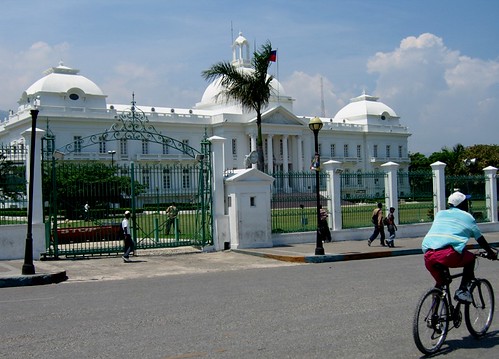
Move to the invigorating beat of a luminous culture. Haiti is a poverty-stricken land of urban overpopulation, denuded hillsides and a people suffering the wounds of civil strife and oppression. It is also a vibrant country of colourful art, fantastic music, cloud forests and an intensely spiritual people whose humour and passion are legendary.

Destination Facts
Capital: Port-au-Prince
President: Ren é Pr é val
Prime Minister: Mich è le Pierre-Louis
Government: republic
Time zone: GMT -5
Area: 27750
Population: 8300000
Languages: 80% Catholic, 16% Protestant (an estimated 50% of Haitians also practice Vodou)
Currency: Gourde (G)
Country Dialing Code: 509

Getting There
Haiti has two rainy seasons, from April to May and from September to October, with most rain falling in the mountains. If you plan to do much hiking, trekking or even driving, these might be months to avoid. The June-to-September hurricane season might be worth missing as well; though the chances of one blowing through are miniscule, remember that one little hurricane can wreck your whole holiday. The temperature is fairly constant year-round, with highs averaging around 34 ° C (95 ° F) in the summer and 30 ° C (85 ° F) in the winter. There isn't currently a peak tourist season, making Haiti an ideal destination during the Northern Hemisphere's winter, when most Caribbean isles are packed with snowbirds slurping umbrella-laden beverages and raising the prices of food, accommodations and everything else. It's worth planning a visit to Haiti around Carnival (the three days leading up to Ash Wednesday) or Rara (the week leading up to Easter), when music and dancing seem to erupt spontaneously. Avoid the weeks leading up to an election, including the presidential election in December 2000, when less pleasant but equally spontaneous eruptions of passion tend to make their mark.

Getting there and away
Haiti has one international airport, officially called Toussaint Louverture International, but better known as Port-au-Prince International Airport, particularly when booking tickets from abroad. It shares its runway with the domestic Guy Malary Airport. Cap-Ha ï tien has the second-largest airport, but it serves only a few international flights. There is a departure tax when leaving Haiti by air. The price is not included in the price of your ticket. When you leave Haiti, you must have your passport and the yellow entry card you received upon arrival. There are two primary points where you can cross between Haiti and the Dominican Republic. The crossing between Ouanaminthe and Dajab ó n in the north is convenient between Santiago and Cap-Ha ï tien, while the Malpasse/Jiman í crossing in the south links Santo Domingo to Port-au-Prince. A crossing in the centre of the island, between Beladere and El í as Pi ñ a, is difficult to reach using public transportation. If you're leaving by land, the departure tax is less.

Getting around
There are two flights a day between Port-au-Prince and Cap-Ha ï tien on Caribintair that will save you an arduous eight-hour drive. There are also regular flights from Port-au-Prince to Hinche, Pignon and Dame Marie. The cheapest way to get around Haiti is by bus, with fares ranging from 1.00 to 7.00, depending on the distance travelled. There are no timetables; buses leave the town's specific departure point (Port-au-Prince and Cap-Ha ï tien have several) when they are full. The buses, generally either old US school buses or ornately decorated tap-taps, can go places where you wouldn't drive a 4x4 back home. Driving in Haiti is an adventure on a good day: the roads are notoriously potholed, many private cars are in disrepair (read: don't count on brake lights or turn signals) and winding mountain roads are alive with speeding Bluebird schoolbuses on a mission. If you are willing to rise to the challenge (and drive on the right side of the road), however, you can rent a car for around 60.00, plus insurance, from several agencies at the Port-au-Prince airport. There are other car rental places in large towns throughout Haiti. Port-au-Prince has a brilliant system of collective taxis called publiques, which charge 10 gourdes a trip. They could be almost any vehicle, but all have a red ribbon hanging from the front mirror. A sharp pssst! usually stops them, and the driver decides if he or she wants to take you. Don't expect the most direct route to your destination, as others in the car need to be catered to as well.

Visa:
All visitors require a valid passport; citizens of most Western countries do not require visas. Others must have a three-month tourist visa, which can be obtained upon arrival with a completed application (provided by an embassy or consulate), two passport-size photos and a fee of 25.00. Check with any Haitian embassy for the latest requirements.

Weather
Haiti's climate is generally hot and humid, and temperatures vary more over the course of a day than from season to season. Highs are generally around 30 ° C (85 ° F), while night time lows can reach 20 ° C (65 ° F) and drop markedly at higher elevations. The rainy season varies: along the northern coast, it runs from October to May, while the southern claw can expect rain from May to October.

Warning
The security situation in Haiti is very unstable and any travelers should exercise extreme caution. Check out Safe Travel for government warnings.

Wednesday, 8 June 2011

Grenada Country

its
its
Introduction
Done with cruises and crowds? Try some classic Caribbean culture. Not only does the 'Spice Island' produce nutmeg, mace, cinnamon, ginger and cloves, this rugged land of mountains, rainforests, waterfalls and secluded beaches has also given birth to an intriguing history and people.

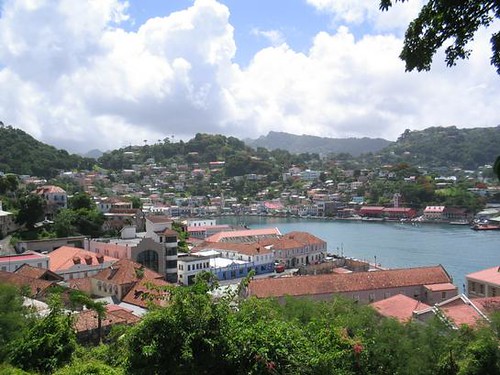
The capital, St George's, is located on Grenada Island and has one of the prettiest harbor settings in the Caribbean. Carriacou is dotted with traditional East Caribbean towns and friendly locals, while Petit Martinique offers the chance to unwind in a little-known corner of the world.

'We try to bring a lot of live musicianship to the music. A lot of grooves. We're Caribbean; we from the islands. Out of the music industry, I'd say we're the Caribbean producers of the world.' - Wyclef Jean

Geography:
After St Kitts and Nevis, Grenada is the second-smallest nation in the Western Hemisphere, claiming just 891 sq km (344 sq mi) of territory, 100km (60mi) north of the South American mainland. Grenada is so close to St Vincent and the Grenadines that, from certain areas, it is possible to see the other island nation with the bare eye. Although Grenada comprises a handful of volcanic and coral islands, just three of these are inhabited: Grenada, Carriacou and Petit Martinique. The majority of the population and tourist facilities are on Grenada.

Destination Facts
Capital: Saint George's
Governor General: Daniel Williams (representing Queen Elizabeth II)
Prime Minister: Tillman Thomas
Government: parliamentary democracy
Time zone: GMT -4
Area: 891
Population: 90000
People: African descent 82%, mixed descent 13%, European and East Indian 5%
Languages: Roman Catholic 53%, Anglican 13.8%, other Protestant 33.2%
Currency: East Caribbean Dollar (EC$)
Major industries: food and beverages, textiles, light assembly operations, tourism, construction
Major Trading Partners: Saint Lucia, USA, Antigua and Barbuda, Germany, Netherlands, Saint Kitts and Nevis, Dominica, France, Trinidad and Tobago, UK
Weight System: Imperial
Country Dialing Code: 473

Getting There
With its warm weather, there really isn't a bad time to visit Grenada - temperatures average 29 ° C (84 ° F). The rainy season is June to November. Even in the driest months it rains a fair amount, though not every day. The second weekend in August is Carnival, the island's biggest and busiest event, so reserve accommodation in advance if you want to enjoy the festivities. Winter is prime fishing season and, accordingly, the Spice Island Billfish Tournament, which draws anglers from around North America and the Caribbean, is held annually in January.

Getting there and away
Flights to Grenada land at Point Salines International Airport on the southwestern tip of the island. There are few direct flights into Grenada from North America or Europe as most connect through Bridgetown, Barbados (BGI), San Juan, Puerto Rico (SJU), Port of Spain, Trinidad (POS), Tobago (TAB) or Antigua & Barbuda (ANU). Air Jamaica, Delta's affiliate, flies to Grenada from several US cities via Montego Bay. American Airlines serves Grenada from the US via Puerto Rico. British Airways Flies direct from London-Gatwick to Grenada. BWIA International serves Grenada via Barbados, Port of Spain or Tobago. Condor flies to Grenada via Barbados from its Frankfurt hub. Virgin Atlantic serves Grenada via Barbados, Port of Spain or Tobago. The following airlines fly to/from Grenada from within the Caribbean: Air Jamaica, American Eagle, British West Indies Air, Caribbean Star, SVG Air, LIAT. There are two types of boats plying between Grenada and Carriacou. An old-fashioned cargo boat that takes four hours, or the Osprey, an express catamaran that takes half as long and costs twice as much. The Osprey departs from the eastern side of the Carenage. A new boat service runs between Union Island and Carriacou every Tuesday and Friday. A ferry departs Union every Monday and Thursday for Carriacou, returning the same day. You could also hop on a commercial ship that hauls goods between Union Island and Carriacou or Petit Martinique, or take a water taxi for the bumpy 40-minute ride. Grenada is also a port of call for cruise ships, which dock on the southeastern side of St George's harbor, the Carenage, or at the new dock. For yachts, customs and immigration can be cleared on Grenada Island at Spice Island Marine Services on Prickly Bay, or at Grenada Yacht Services in St George's. Most yachts anchor in St George's in the nearby lagoon. On Carriacou, clearance can be made in Hillsborough. The most frequented anchorages are along the southwestern side of Grenada.

Getting around
Buses on Grenada Island are privately operated minivans and are a good way to rub shoulders with locals. Depending on passengers, it takes about 45 minutes from St George's to Grenville and 1.5 hours to Sauteurs. Buses run frequently all day. A few buses run on Sunday, though they are infrequent. To be let off, knock on the metal interior a few times just before your destination. To drive a vehicle, you need a Grenadian driving license. They cost around 30.00 and can be purchased from most car-rental companies, police stations or the Traffic Department booth at the fire station on the eastern side of the Carenage in St George's. There are many rental agencies on Grenada Island: local agencies can offer you a better deal, but the international chains have better insurance deals. Drive on the left side of the road. The roads are narrow and curvy, and bus drivers are daring - slow down when approaching blind curves and use your horn liberally. There are few road signs, so a map and a measure of caution are useful. Taxi fares are regulated by the government, although sometimes you have to negotiate. On Carriacou, it's best to get to/from the airport by taxi. The two main bus routes run from Hillsborough - south to Tyrrel Bay and north to Windward. They operate during daylight hours and some double as taxis. There are a few places to rent vehicles on Carriacou. Quality Jeep Rental in L'Esterre, southwest of the airport, has good prices. You can hire a taxi for an island tour (2.5hr) for up to five people.

Visa:
Citizens of Canada and the US do not require a visa to visit Grenada provided they have proof of citizenship and a return ticket or a ticket to their onward destination. Citizens of Commonwealth countries are also visa exempt, provided they have a valid passport and a return ticket or a ticket to their onward destination. Several other countries are also visa exempt. See www.grenadaconsulate.com for more information. Visitors to Grenada are permitted to stay for up to three months.

Weather
Although Grenada's climate is tropical and generally hot, it's also tempered by northeastern trade winds. Temperatures in Grenada are delightfully balmy year-round, with daily highs averaging 29 ° C (84 ° F). The rainy season lasts from June to November. On average, rain falls 22 days per month during this period. Even in the driest months, between January and April, it rains 12 days a month, which accounts for the island's lush vegetation. Hurricane season runs from June to November.

Wednesday, 1 June 2011

Dominican Republic Country

its
its
Introduction
Bounce between carnivals and glide between manatees. The white-sand beaches, impressive mountain ranges veined with spectacular rivers and waterfalls, and saltwater lakes teeming with exotic wildlife are just part of the Dominican Republic's appeal. Whether you're looking to party, relax or explore, the Dominican Republic has a lot to offer.

Destination facts
Capital: Santo Domingo
President: Leonel Fern á ndez
Government: representative democracy
Time zone: GMT -4
Area: 48730
Population: 8850000
Languages: 95% Roman Catholic
Currency: Dominican Peso (RD$)
Country Dialing Code: 809

Getting There
The main foreign tourist seasons are from December to February, July to August, and Semana Santa (the week before Easter). Expect higher prices and more crowded beaches during these times. Also, note that most water sports and activities are prohibited throughout Semana Santa. The June-to-September hurricane season might be worth missing; though the chances of one blowing through are miniscule, remember that one little hurricane can wreck your whole holiday. All in all, February and November are perhaps the best months to visit - both have great weather, thinner crowds and allow you to partake in either pro baseball, Carnival or whale-watching.

Getting there and away
The cheapest way to get to the Dominican Republic by air is as part of an all-inclusive package tour; they're so cheap, in fact, that many people book time at an all-inclusive ticket and leave their hotel rooms empty part of the time while they explore the rest of the island. Whether you get your ticket a la carte or through a resort, there are direct flights from Europe and the Americas. Fares vary with the season, date of purchase and whims of the airline; shop around. Several cruise ship lines also have ports of call in the DR. There is a departure tax whether you're leaving by land or by sea. There are two main crossing points between Haiti and the Dominican Republic. One is at Jiman í /Malpasse, on the southern route that links Port-au-Prince and Santo Domingo. The other, at Dajab ó n/Ouanaminthe, links Cap-Ha ï tian and Santiago. There is a third crossing near the centre of the island, at El í as Pi ñ a/Belladere, but foreigners generally give this one a miss. Borders are generally open 08:00-16:00, but don't cut it too close or you may be asked to come back the following day. Be sure to have all the necessary documents together to expedite the process.

Getting around
Air Santo Domingo is the only carrier providing service within the Dominican Republic; its small planes may rattle like East German cars, but they're reliable to a fault. Fares generally run a little higher than 50.00 between most destinations. Buses are the preferred way to see the DR. They're cheap, convenient and, if you use Metro Bus or Carib Tours, air-conditioned and comfortable. There are also gua-guas, smaller and less-comfortable buses that are favoured by locals. They're a great way to scoot between locations in the same region, and fares rarely break a few Dominican pesos. Car rental in the DR is fairly expensive. You must be older than 25 and have a credit card, valid driver's license and nerves of steel. There are few road rules in the Dominican Republic and those on the books are rarely enforced. Traffic police are notoriously corrupt; you may be stopped and 'fined' 5.00 or 10.00 for such offences as 'driving a dirty car' or 'failing to brake fast enough'. One LP writer was told simply, 'Give me money. I want to buy a beer.' It's best not to argue; tell the officer you're sorry, promise to never break the law again, and keep a small amount of money in your wallet for just such an emergency. Renting a motorcycle might be a better idea, if you're comfortable driving on dirt roads. They're cheaper to rent - around 16.00 a day - and they'll get you to places neither buses nor cars can go. As an added bonus, traffic police are less likely to hassle you on two wheels. Safety is a real issue on a motorbike in DR however, even moreso than in a car.

Visa:
All visitors require a valid passport; citizens of Andorra, Antigua & Barbuda, Argentina, Aruba, Bahamas, Barbados, Brazil, Canada, Chile, Cura ç ao, Czech Republic, France, Germany, Hungary, Iceland, Israel, Jamaica, Liechtenstein, Mexico, Monaco, Norway, Paraguay, Peru, Poland, Russia, Surinam, Switzerland, Uruguay, USA, Venezuela and Yugoslavia are eligible for a 90-day tourist card. Check with the Dominican consulate for the latest visa requirements.

Weather
Except in the central mountains, temperatures don't vary much in the Dominican Republic, averaging a summery 28 ° C-31 ° C (81 ° F-87 ° F) in most places for most of the year. In the mountains, sunny days climb to 24 ° C (75 ° F) but can just as easily fall to single digits at night or on cloudy days. Tropical humidity can make the temperatures feel higher, though sea breezes help mitigate the effect. There are two rainy seasons, October to May along the northern coast and May to October in the south; bring an umbrella if you plan to travel the entire country. Dominican rain isn't your garden-variety 'just-enough-to-cool-things-off' precipitation native to Hawaii or Central America - this stuff drenches waterfall-style and could easily last half a day.

Places of Interest
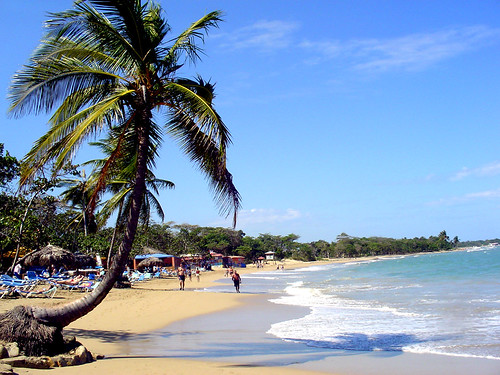
The white-sand beaches, impressive mountain ranges veined with spectacular rivers and waterfalls, and saltwater lakes teeming with exotic wildlife are just part of the Dominican Republic's appeal. Whether you're looking to party, relax or explore, the Dominican Republic has a lot to offer.

Thursday, 26 May 2011

Dominica Country

its
its
Introduction
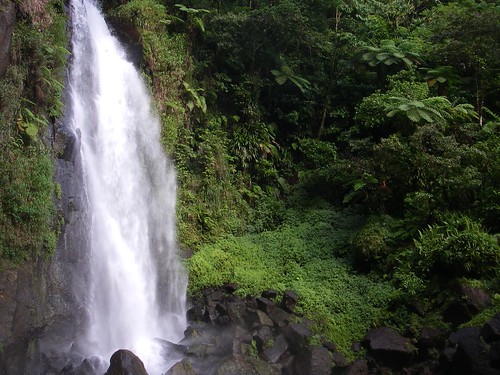
Burn some energy in the land of waterfalls. Largely rural, uncrowded and unspoiled, Dominica touts itself as a 'non-tourist destination' for divers, hikers and naturalists - partly because it trades the lazy white-sand beaches so predominant elsewhere in the Caribbean for verdant peaks, killer hikes and breathtaking underwater scenery.

Destination Facts
Capital: Roseau
President: Nicholas Liverpool
Prime Minister: Roosevelt Skerrit
Government: independent state and parliamentary democracy within the British Commonwealth
Time zone: GMT -4
Area: 751
Population: 71540
Languages: Roman Catholic (77%), Methodist (5%), Pentecostal (3%),Seventh Day Adventist (3%), Baptist (2%), other (2%), none
Currency: East Caribbean Dollar (EC$)
Weight System: Imperial
Country Dialing Code: 767

Getting There
Dominica is balmy, rarely getting below 29 ° C (85 ° F) on the coast, though the mountains are cooler and wetter, especially during the rainy season (July to October). Peak-season winter (December to February) rates are similar to off-season summer (June to August) rates, so the best time to visit Dominica is definitely in winter.

Getting there and away
Dominica has two airports - Canefield Airport just outside Roseau and the smaller Melville Hall Airport on the northeast side of the island. There are no international flights into Dominica, so you must get to a gateway island first. American Airlines, Continental, British Airways and Air France all have direct flights to several nearby Caribbean islands. Local carriers fly between Dominica and Antigua, Barbados, Guadeloupe, Martinique, Puerto Rico, St Lucia and St Martin. If you're island hopping, LIAT - the major inter-island carrier in the Caribbean - has through fares that allow free stopovers on Dominica. Visitors pay a EC$45 airport departure tax when leaving Dominica. A growing number of cruise ships call on Dominica, most docking at Roseau. To encourage cruise ship visitors to spend more time in the northern part of the island, a smaller cruise ship berth has opened at Cabrits National Park. A catamaran ferry service, L'Express des Iles, connects Roseau with Pointe- à -Pitre on Guadeloupe, Fort-de-France on Martinique and Castries on St Lucia. . The trip to Guadeloupe and Martinique takes about two hours; it's about four hours to St Lucia. Yachts can clear immigration and customs at Roseau, Portsmouth or Anse Du M é.

Getting around
Renting a car is the best way to get around Dominica. Most of the car rental agencies are in Roseau. Visiting drivers must be between ages 25 and 65 and have a valid driver's license and at least two years' driving experience. For US$12 you can get the required local driver's license from immigration on arrival. Primary roads are well paved and clearly signposted; remember to drive on the left. If you don't want to drive, taxis are available and can be hired for sightseeing tours. Local buses are cheap and run regularly along the coastal routes between Roseau and both Scotts Head and Portsmouth, although the farther north you go past Canefield the less frequent they become. There are few buses in the evening and none on Sunday on most routes. Car rental agencies provide free pick-up at Canefield Airport and taxis are also available. If you're planning to base yourself in Roseau, try to avoid arriving at Melville Hall; there are no car rentals at this airport, so you'll need to catch a share taxi for the 75-minute haul to the capital.

Visa:
Most visitors to Dominica must have a valid passport, but US and Canadian citizens still get away with just proof of citizenship, such as a photo ID and an official birth certificate. French nationals may visit for up to two weeks with a Carte d'Indentit é . Citizens of former Eastern Bloc countries may require visas. A round trip or onward ticket is officially required of all visitors.

Places of interest
Largely rural, uncrowded and unspoiled, Dominica touts itself as a 'non-tourist destination' for divers, hikers and naturalists - partly because it trades the lazy white-sand beaches so predominant elsewhere in the Caribbean for verdant peaks, killer hikes and breathtaking underwater scenery.

Weather
The sexy and sultry months between February and May are the best time to visit, providing bearable rainfall and decadently hot highs, usually in the 30-33 ° C (87-91 ° F) range. April is the driest month with about 10 days of rainfall in Roseau, as opposed to the wettest month, August, when rainfall more than doubles. Other months can get quite wet and, unless you have a penchant for storms, the hurricane season of July to November might be a good time to dodge Dominica.

Thursday, 19 May 2011

Cuba Country

its
its
Introduction
Beguile you, confound, frustrate and bewitch you: Cuba does it all. Epic colonial architecture, libidinous young salsa dancers, Che Guevara murals, white-powder sandy beaches, swaying fields of sugar cane - the images of Cuba are as transfixing as they are timeless. This is an island of unique historical heritage floating amid a sea of encroaching globalisation.

Destination Facts
Capital: Havana (pop 2200000)
President of the Council of State: Ra ú l Castro
Government: Communist republic
Time zone: GMT -5
Area: 110860
Population: 11500000
Languages: Catholic, Protestant, Santer í a (a mix of Catholicism and Yoruba beliefs)
Currency: Cuban Peso (CUC$)
Country Dialing Code: 53

Getting There
The best time to go to Cuba is between December and April, after the lashing rains of the hurricane season and before the hot and sticky discomfort of the scorching summer months. However this is also when planeloads of Canadians and Europeans arrive in pursuit of the southern sun, and room prices soar by up to 20%. Cubans take their holidays in July and August, so local beaches are very crowded at this time. Christmas, Easter and the period around 26 July, when Cubans celebrate the anniversary of the revolution, are also very busy. August to November is the worst time for hurricanes, while the winter months can bring in cold fronts when temperatures in the north and west of the island can dip under 15 º C (60 ° F). Weather aside, Cuba has few other hurdles for visitors. Culture vultures should keep a close eye on the annual arts calendar for festivals and events; baseball fans will certainly not want to miss the post season, which runs from April to May; and political junkies may want to catch important days in the socialist calendar, particularly D í a de los Trabajadores (Labor day; May 1) and Day of the National Rebellion (July 26).

Getting there and away
Almost all visitors to Cuba arrive by air, with scheduled flights arriving from Canada, the Caribbean, Central and South America, and Europe. The main gateways for US travellers continue to be Canc ú n, Nassau and Toronto. There are direct flights available from the USA, but to take them US citizens will need the permission of the US Treasury Department, which restricts travel to Cuba to journalists, researchers and a handful of other groups. Entry procedures are straightforward, as long as you have a passport valid for six months, an onward ticket and your tourist card filled out (be sure to put something under 'Address in Cuba'). There's a 25.00 airport departure tax. Thanks to the US embargo, very few cruise ships call into Cuban ports, and there are no scheduled passenger ships that service the country. Private yachts regularly call into Cuba's plentiful harbours and anchorages.

Getting around
Cubana de Aviaci ó n and its regional carrier Aerocaribbean have an extensive domestic air network that services all of the regional centres. V í azul is the only long-distance bus company available to non-Cubans, with punctual, (over)air-conditioned coaches going to destinations of interest to travelers. Very crowded, very steamy, very Cuban guaguas (local buses) can be useful in bigger cities. Public railways serve all the provincial capitals and are a great way to experience Cuba if you have time and patience, but a nightmare if you're keen to make progress and move about efficiently! The most useful routes for travelers are Havana-Santiago de Cuba and Havana-Santa Clara. Renting a car in Cuba is easy but, once you've factored in gas, insurance, hire fees etc, it isn't cheap. And beware - road rules in Cuba are open to interpretation and road signage varies between the poor to the non-existent. Many Cubans hitchhike as a means of getting around - here it's more like ride-sharing. Also sharing the roads are bicycles - Cuba is a legendary destination for cyclists.

Visa:
Regular tourists who plan to spend up to two months in Cuba do not need visas. Instead, you get a tarjeta de turista (tourist card) valid for 30 days (Canadians get 90 days), which can be extended for another 30 days once you're in Cuba. Those going 'air only' usually buy the tourist card from the travel agency or airline office that sells them the plane ticket (equivalent of 15.00 extra). Package tourists receive their card with their other travel documents. The USA officially prohibits its citizens from travelling to Cuba unless they obtain special permission; very heavy fines are imposed on visitors not fulfilling this requirement.

Weather
There are no great differences in seasonal temperature in Cuba, its pleasant subtropical climate being augmented by the gentle northeasterly trade winds. The wet summer season is between May and October, and the drier winter season runs from November through April. The average temperature reaches 27 ° C (81 ° F) in July and August and 22 ° C (72 ° F) in February. An average of 80% humidity exists all year round, with things just a little more sticky in the wet season. If you're coming between December and March, be prepared for cooler evenings. A light rain jacket is a wise precaution any time of year.

Warning
Up to 250,000 people were evacuated from their homes in Cuba due to Hurricane Gustav and Hurricane Ike. Gustav struck Cuba's Isla de la Juventud before moving on to the mainland at Pinar del Rio. Ike came ashore near Punta Lucrecia in the state of Holguin. Widespread flooding has caused extensive damage: travelers should monitor news reports and contact authorities before attempting travel across Cuba.

Tuesday, 10 May 2011

British Virgin Islands Country

its
its
Introduction
Still the islands on which you dream of being shipwrecked...Parts of the British Virgin Islands are so beautiful, you'd happily marry the closest iguana just so you could stay there forever. Think dramatic green hills, blue skies, tripped-out sunsets and beaches where the loudest noise is the donk of a coconut dropping on sand as soft as a baby's bottom.

Destination Facts
Capital: Road Town
Governor: David Pearey (representing Queen Elizabeth II)
Chief Minister: Ralph T O'Neal
Government: dependent territory of the United Kingdom
Time zone: GMT -4
Area: 59
Population: 19615
Languages: Methodist (45%), Anglican (21%), Catholic, other
Currency: US Dollar (US$)
Weight System: Imperial
Country Dialing Code: 284

Getting There
The peak tourist season is December to May, but this has more to do with the weather in North America and Europe than it does with the reliably balmy Virgin Islands weather. It's therefore best to visit outside this period, when you can expect room rates to be about two-thirds of those charged during the busier months. An additional draw is that the calmer weather between April and August tends to keep the waters clearer for diving.

Getting there and away
There are no direct international flights to the British Virgin Islands. The only access by plane is via San Juan in Puerto Rico, or via St Thomas or St Croix on the US Virgin Islands. Heaps of international airlines fly to San Juan, one of the busiest hubs in the Caribbean. From San Juan, American Eagle, LIAT, Cape Air and Air Sunshine have daily flights to Tortola. American Airlines, Delta and US Airways have direct flights from several US destinations to St Thomas and St Croix. Air St Thomas offers frequent flights from St Thomas to Tortola, with less frequent flights to Virgin Gorda. LIAT flies from several Caribbean destinations, including Sint Maarten and Antigua. Most flights from Europe connect via Miami or San Juan before flying on to connectors in St Thomas. There's a 10.00 air tax when leaving the British Virgin Islands. Frequent ferries shuttle between the British Virgins and the US Virgin Islands. There's a 5.00 sea departure tax (7.00 for cruise ship passengers).

Getting around
Most flights to the BVI land at Tortola's Terrence B Lettsome Airport on Beef Island, which is connected to the eastern coast of Tortola by a short bridge. It's 15km (9mi) east of Road Town. Plenty of taxis are available for trips into the capital. The tiny airport on Virgin Gorda is near Spanish Town, at the edge of Taylors Bay on the southeastern coast. There's an airstrip smack in the middle of Anegada; you can walk from the airport to most places on the island. Anyone who's done it will tell you the only way to get around the British Virgin Islands is by chartered sailboat, and there are loads of bareboat and crewed charter operators ready and willing to help your dream boat vacation come true. Road Town has the most charter companies, but there are scores of others on every island. A proficiency test is required before you're allowed to go it alone, and night sailing or sailing near Anegada, where waters can be very rough, is prohibited. Aero Claro offers service from Tortola to Virgin Gorda and Anegada; Fly BVI offers chartered flights within the islands. A better way to island hop in the British Virgins is via the inexpensive, efficient ferries that travel between the larger islands of Tortola, Virgin Gorda and Jost Van Dyke. There are heaps of car rental agencies on Tortola. You'll need a temporary British Virgin Islands driving license, available from the rental agencies for 10.00, and a valid home license. Drive on the left. Anegada has a jeep rental shop, which is good because its roads are nothing more than glorified sandlots. There are rental agencies on Virgin Gorda, but if you're just heading to The Baths and back it's easier to jump on a shuttle bus. There are jeep rental agencies on Jost Van Dyke, but they've only got a few vehicles, so book ahead. If you bring your own bicycle to the islands, you're supposed to register it with the traffic office in Road Town. It's not difficult finding a taxi on Tortola but tougher on the other islands. Rates are fixed and based on the distance and the number of passengers. The best way to get around the smaller islands is to walk or boat from bay to bay.

Visa:
Citizens of the US and Canada do not require a passport, but should carry a birth certificate or naturalization certificate with a picture ID to prove citizenship. This will change as of December 31 2006, however, when the Western Hemisphere Travel Initiative mandates that all travellers re-entering the US will be required to carry a passport (travel to the BVI usually requires stopovers on US soil). British citizens need a passport but not a visa. Citizens of all other countries need a passport and, in some cases, a visa. Visitors are permitted to stay up to six months but must have an onward ticket.

Weather
Reliably Caribbean, the weather in the British Virgins is balmy, with daily highs between a cosy 25° C (77° F) in winter and 28° C (82° F) in summer. Perhaps the most pleasant climatic aspect of these islands is the combination of the trade winds that keep humidity low and the Caribbean currents that keep waters warm. The wettest months, September through November, bring powerful but usually short bursts of rain, and although they hold the slim possibility of hurricanes, they are unlikely to dampen your visit.

Monday, 9 May 2011

Bermuda Country

its
its
Introduction
Sunshine, cruise ships, Bermuda shorts and some 150 islands beckon you to the middle of nowhere. Think Bermuda and images of tidy pastel cottages, professional gents in ties and shorts, pink-sand beaches, and quintessential British traditions like cricket matches and afternoon tea spring to mind. For once the stereotype matches the reality.

Destination Facts
Capital: Hamilton
Governor: Sir John Vereker (representing Queen Elizabeth II)
Premier: Ewart Brown
Government: parliamentary British overseas territory with internal self-government
Time zone: GMT -4
Area: 57
Population: 65365
Languages: Christian (28% Anglican, 15% Roman Catholic)
Currency: Bermudian Dollar (BD$)
Weight System: Imperial
Country Dialing Code: 441

Getting There
In terms of tourism the island has two seasons. The 'summer season' refers to the months of April through October, when Bermuda enjoys its warmest air and water temperatures and sees perfect conditions for swimming, snorkeling and diving. It's also the most vibrant time on the island, with greater entertainment options and more visitors milling about. Midsummer is also the muggiest time of the year, and due to high humidity (which averages 84% in August) it can be a bit uncomfortable. The winter season (November to March) is a bit too cool for swimming, and many tourist-related agencies, like diving companies and boat tours, suspend operations for part of the season. However, accommodation can be up to 40% cheaper and you can escape the crowds and the colder winter of more northern climes. The best conditions for windsurfing also tend to be in winter.

Getting there and away
There are regular scheduled flights to Bermuda from the USA, Canada and the UK. Travellers arriving from other destinations by air will need to connect through one of these countries. Several airlines offer direct service from New York, Miami, Atlanta, Chicago, Boston, Philadelphia, Charlotte and Washington DC. Air Canada flies daily from Toronto and weekly from Halifax. British Airways flies direct daily from London-Heathrow. The departure tax on all air flights is 25.00, which is usually included in the price of your ticket. Between April and October, some 17,000 cruise ship passengers sail to Bermuda each year. Most cruise ships sail from US East Coast cities like New York, Boston, Philadelphia, Newport, Wilmington, Charleston and Fort Lauderdale. They all suspend operations in the winter months. Cruise ship passengers pay a 60.00 departure tax, which is usually included in the price of your ticket.

Getting around
There are no car rentals in Bermuda. Visitors can ride public buses and ferries, rent a moped or scooter, use taxis - or even hire a horse and carriage. The island is so tiny and the public bus system so good that even the most independent travellers will not miss having their own vehicles. To ride the bus you need to have the exact fare in coins. Metered taxis can be found at the airport and most large hotels. Taxis can also double as tour operators if you want to piece together your own sightseeing tour of the island. Drivers turn off the meter in such circumstances and generally turn on the charm. Their knowledge and commentary can add plenty of local colour to a tour. Expect to pay an hourly rate. Bermuda's narrow winding roads can be challenging for riders not used to mopeds so make sure you're comfortable on two wheels before you hire a machine for the week. Enough visitors spill their mopeds for the term 'road rash' to be part of the island vernacular. To hire a moped you need to be 16 years old, wear a helmet and promise to drive on the left side of the road. Strangely bicycling is not a particularly popular way of getting round, though some moped rental stores do rent bikes. Be prepared to work up a sweat. Ferries are a scenic way to get around and, in some cases, are much faster than the bus. Ferries connect Hamilton with Paget, Warwick and the Somerset/Dockyard area. Walking is the obvious way to get around Bermuda's towns but walking between towns is not much fun since the narrow roads rarely have sidewalks. Horse and carriage rides are for romance rather than getting from A to B.

Visa:
Starting in December 2006, the Western Hemisphere Travel Initiative will require all visitors to Bermuda to have a valid passport and proof of a return ticket. No visas are required.

Weather
While the name might conjure up torrential storms, rainfall on Bermuda is moderate and evenly distributed throughout the year. While there is a slight drop in rainfall around April, temperatures in the proceeding months tend to rise comfortably above 25° C (80° F), peaking in August and taking the chill off the nights of the earlier months.

Saturday, 9 April 2011

Barbados Country

its
its
Introduction
This part of the Caribbean hasn't quite lost its British accent. Barbados is the 'Little England' of the Caribbean, but not so much so that the locals have given up rotis for kidney pies, or rum for bitter ale. Bajans, as the islanders call themselves, are as West Indian as any of their Caribbean neighbours, and have tended to selectively borrow rather than assume English customs. Barbados sits almost a hundred miles east of its closest neighbour, so when the Spaniards, Danes, French and others were busy fighting over the rest of the Caribbean, Barbados sat back with its Pimm's on ice, remaining solidly British.

Geography:
Barbados is a distorted pear-shaped island lying 2585km (1610mi) southeast of Miami and 860km (535mi) northeast of Caracas, Venezuela and a third the land size of London. The western coast has white-sand beaches and calm turquoise waters, while the cliff-lined Atlantic eastern coast is much more turbulent. Coral reefs surround most of the island.

Destination Facts
Capital: Bridgetown
Governor General: Sir Clifford Husbands (representing Queen Elizabeth II)
Prime Minister: David Thompson
Government: independent state within the British Commonwealth
Time zone: GMT -4
Area: 432
Population: 281.000
People: African (90%), English, Scottish & East Indians
Languages: Protestant (67%), Roman Catholic (4%), none (17%), other (12%)
Currency: Barbados Dollar (B$)
Major industries: Tourism, sugar, light manufacturing, component assembly for export, agriculture, fishing.
Major Trading Partners: Caribbean Community (CARICOM), UK, US
Country Dialing Code: 246

Getting There
The best time to go to Barbados is during the cooler, drier months of late winter and early spring (December through May). Mid-December to Mid-April is also the peak tourist season when prices are higher and hotels most crowded.

Barbados' Grantley Adams International Airport is on the island's southern coast, 16km (10mi) southeast of Bridgetown. Over the next few years, the airport is undergoing massive expansion. When complete, it will be the main gateway to the south and southeastern Caribbean, especially for flights from Europe. From the North American mainland, American Airlines, Air Canada, Air Jamaica, Air Sunshine, Continental Airlines and US Airways operate services from major US and Canadian cities. BWIA (British West Indies Air, based out of Trinidad) has flights from London, Frankfurt and Zurich, while British Airways and Virgin Atlantic fly to Barbados from London-Gatwick. Condor makes the trip from Frankfurt. Several airlines - including LIAT, BWIA and Caribbean Star - offer flights from Barbados to other Caribbean destinations. In season, a steel band and complimentary rum punch greet arriving passengers; a modest airport departure tax is the island's kiss good-bye. Few car rental agencies have booths at the airport, but most will pick customers up. Otherwise travellers have a choice of catching a taxi to their destination or simply walking out onto the road and catching a local bus. About 500,000 cruise-ship passengers arrive in Bridgetown's harbour each year.

The best and cheapest transport option on Barbados is the bus. There are three kinds of buses: government-operated public buses, which have the most extensive routes; a privately operated minibus system; and route taxis. Renting a car is another good way of getting around. None of the island's many car rental agencies is affiliated with a major international rental chain, so just call to book a car and someone will swing by your hotel to pick you up. Temporary driving permits are required; they can be obtained for a small fee through your rental agency. In Barbados, you drive on the left. Taxis are also available and fares are fixed by the government. However, vehicles are unmetered so establish a fare in advance, especially if you hire a taxi for a sightseeing tour. Rent bicycles in Hastings and Maxwell. Because of Barbados' easterly position and challenging sailing conditions, it's well off the main track for most sailors and there's no local yacht charter industry.

Weather
The climate in Barbados tends to be nice year-round: in January, the average daily high temperature is 83° F (28° C), while the average low is 70° F (21° C). Temperatures come down to average highs of 86° F (30° C), and lows of 74° F (23° C) in July. February to May are the driest months (April averages only seven days of rain), while July is the wettest month with some 18 days of rain. June through October is the hurricane season: September and October are the most humid months and have the highest hurricane risk.

Events
The island's top event is the Crop-Over Festival, which originated in colonial times as a celebration of the sugar cane harvest. Festivities stretch over a three-week period beginning in mid-July. There are spirited calypso competitions and fairs around the island. The festival culminates with a Carnival-like costume parade on Kadooment Day (the first Monday in August). In February, the Holetown Festival celebrates the 1627 arrival of the first English settlers on Barbados. Holetown's week-long festivities include street fairs, a music festival at the historic parish church and a road race. The Oistins Fish Festival, held over Easter weekend, commemorates the signing of the Charter of Barbados. It's a seaside event focusing on boat races, fish-boning competitions, local foods, crafts and dancing. The National Independence Festival of Creative Arts, held throughout November, features talent contests in dance, drama and singing. Performances by the finalists are held on Independence Day (30 November). There are also a handful of international sporting events, including the Barbados Windsurfing World Cup, held at Silver Sands in January, and the Caribbean Surfing Championship, held in early November at Bathsheba.

Tuesday, 5 April 2011

Bahamas Country

its
its
Overview
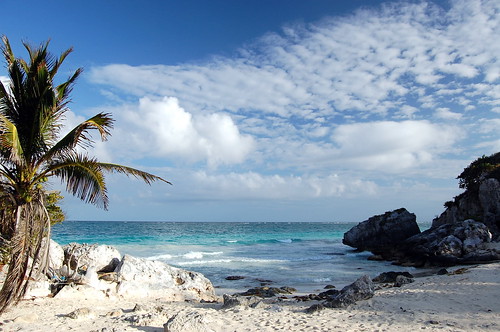
Search out the backwater quays or sun bake with the terrifically tanned. The Bahamas has successfully promoted itself as a destination for US jetsetters, and a lot of it is Americanized. Yet there are still opportunities among its 700 islands and 2500 cays to disappear into a mangrove forest, explore a coral reef and escape the high-rise hotels and package-tour madness.

Destination Facts
Capital: Nassau
Governor General: Arthur Dion Hanna (representing Queen Elizabeth II)
Prime Minister: Hubert Ingraham
Government: independent state within the British Commonwealth
Time zone: GMT -5
Area: 5380
Population: 323.000
Languages: Baptist (32%), Anglican (20%), Roman Catholic (19%), other Protestant (24%), other (5%)
Currency: Bahamian Dollar (B$)
Weight System: Imperial
Country Dialing Code: 242

Weather
Lasting from May to October, the wet season in the Bahamas contains the hottest months of the year and, as the rainfall is quite low (by Caribbean standards) this low-season is a good time to visit. If you're not partial to hot-and-sticky then try March to April and November to December, when the maximum temperature usually sits just below 30 ° C (86 ° F). Occasionally cold North American winds sweep down on the Bahamas during winter and spring.

Places of Interest
The Bahamas has successfully promoted itself as a destination for US jetsetters, and a lot of it is Americanized. Yet there are still opportunities among its 700 islands and 2500 cays to disappear into a mangrove forest, explore a coral reef and escape the high-rise hotels and package-tour madness.

Getting There
The Bahamas is a year-round destination. Constant trade breezes ensure pleasant temperatures, so unless you're visiting the southern isles, which get infernally hot in summer (June to August), weather isn't a major factor in determining when to go. Climate-wise, the best time to come is the warm, breezy summer, when the water is so warm you can linger in it for hours. Mid-winter temperatures in the northerly and westerly isles can be surprisingly cool. On the plus side, there are less mosquitos. In summer, the rainy season extends from May to November, when hurricanes are a slim possibility. The so-called 'peak season' runs from mid-December to mid-April, when hotel prices are highest and some hotels are booked solid, especially around Christmas and Easter.

Getting there and away
The Bahamas is well served by plane from north America. Its proximity to Florida means relatively inexpensive flights run regularly from Miami, Ft Lauderdale and Orlando, as well as other East Coast gateways like New York, Atlanta, Charlotte, Boston and Washington DC. Bahamasair, the national airline, flies between Miami and Nassau and Freeport; West Palm Beach, Orlando and Fort Lauderdale and Nassau; and West Palm Beach and Marsh Harbour. Air Canada flies between Nassau and Toronto and Montreal. British Airways flies directly between London and Nassau or Freeport. American Airlines, Delta Airlines and Virgin Atlantic connect the UK and The Bahamas via Miami, Orlando and Fort Lauderdale. From within the Caribbean, Air Jamaica flies four times weekly between Nassau and Montego Bay. Cubana has flights between Havana and Nassau. Travellers pay a 15.00 departure tax when leaving The Bahamas 18.00 from Freeport). The Bahamas is by far the most popular port-of-call in the Caribbean for cruise ships; they anchor at Nassau and Freeport. The sheltered waters of the 1200km (750mi) archipelago attract scores of yachties each year. There are ports of entry on every island. The Bahamas has six international airports, but the bulk of flights land at the two major hubs: Nassau International Airport and Freeport International Airport. Some flights also land at Marsh Harbour (Abacos), North Eleuthera and Governor's Harbour (Eleuthera), and George Town (Exumas). Private planes and charters fly throughout the islands. Even on the more remote Out Islands, a taxi usually shows up to meet incoming flights (if not, someone at the airport will radio for a taxi on your behalf).

Getting around
Travelling by bus will cost a bomb, except for Nassau and Freeport, where private 'jitneys' (minibuses) operate within the city (but not to the airport), and there is no public transport on any of the Family Islands. This leaves car rental as the best transportation option. Several major international car rental companies have outlets in Nassau and Freeport, supplemented by small local firms. On the Family Islands, there are few established agencies. Although the minimum age to obtain a driver's license in The Bahamas is 17, renters must be 21 (some companies only rent to those 25 or older). You can drive on your foreign license for up to three months; an International Driver's License, required for longer stays, can be obtained from the Road Traffic Department in Nassau or the AAA office in the USA or UK. Remember to drive on the left. Other transportation rental options include motorcycles, scooters and bicycles (usually only one gear), which are available primarily in Freeport and Nassau. There's no shortage of taxis in Nassau and Freeport, where they can be hailed on the streets. Taxis are also the main local transportation on the Family Islands, though you'll need to summon one by radio or telephone. Intra-island flights offer the only quick and convenient way to travel between islands. Bahamasair serves Grand Bahamas and the larger Out Islands. The schedules change frequently and at short notice (no attempt is made to notify passengers with advance reservations of schedule changes). The airline operates on a hub-and-spoke system, to and from Nassau. Thus, if you want to fly between adjacent islands, such as Cat Island and Long Island, you'll have to return to Nassau. If you plan on a lot of island-hopping, you begin to feel like a yo-yo. Worse, you may need to stay overnight in Nassau between flights. You can also charter a small aircraft - which, if you plan to do a lot of island hopping and can get a few people together, is cost effective and time saving. Inter-island ferries are not as ubiquitous as you may imagine, but there are a few. Water taxis, for example, ply between Nassau and Paradise Island. Bahamas FastFerries is the only high-speed ferry in the islands; it links Nassau, Andros, Abacos, Eleuthera and the Exumas. Government-run ferries also link islands that are a short distance apart, such as North and South Bimini; Mangrove Cay and South Andros; and Crooked and Acklins Islands. Mail boats leave Potter's Cay Dock in Nassau, usually on twice-weekly trips, serving all the inhabited islands under government contract. Marinas are strewn about the islands like confetti at a wedding, and yachts for hire are easy to find.

Visa:
The Western Hemisphere Travel Initiative requires all visitors to the Bahamas to have a valid passport. US, Canadian, UK and most Western European travelers do not need a visa for stays up to three months. Citizens of most Central and South American countries, including Mexico, do not need visas for stays up to 14 days. Citizens from Dominican Republic, Haiti, South Africa and all communist countries need to obtain visas for any length of stay. All air passengers must have a return or ongoing airline ticket.

Getting There
The Bahamas is a year-round destination. Constant trade breezes ensure pleasant temperatures, so unless you're visiting the southern isles, which get infernally hot in summer (June to August), weather isn't a major factor in determining when to go. Climate-wise, the best time to come is the warm, breezy summer, when the water is so warm you can linger in it for hours. Mid-winter temperatures in the northerly and westerly isles can be surprisingly cool. On the plus side, there are less mosquitos. In summer, the rainy season extends from May to November, when hurricanes are a slim possibility. The so-called 'peak season' runs from mid-December to mid-April, when hotel prices are highest and some hotels are booked solid, especially around Christmas and Easter.

Getting there and away
The Bahamas is well served by plane from north America. Its proximity to Florida means relatively inexpensive flights run regularly from Miami, Ft Lauderdale and Orlando, as well as other East Coast gateways like New York, Atlanta, Charlotte, Boston and Washington DC. Bahamasair, the national airline, flies between Miami and Nassau and Freeport; West Palm Beach, Orlando and Fort Lauderdale and Nassau; and West Palm Beach and Marsh Harbour. Air Canada flies between Nassau and Toronto and Montreal. British Airways flies directly between London and Nassau or Freeport. American Airlines, Delta Airlines and Virgin Atlantic connect the UK and The Bahamas via Miami, Orlando and Fort Lauderdale. From within the Caribbean, Air Jamaica flies four times weekly between Nassau and Montego Bay. Cubana has flights between Havana and Nassau. Travellers pay a 15.00 departure tax when leaving The Bahamas 18.00 from Freeport). The Bahamas is by far the most popular port-of-call in the Caribbean for cruise ships; they anchor at Nassau and Freeport. The sheltered waters of the 1200km (750mi) archipelago attract scores of yachties each year. There are ports of entry on every island. The Bahamas has six international airports, but the bulk of flights land at the two major hubs: Nassau International Airport and Freeport International Airport. Some flights also land at Marsh Harbour (Abacos), North Eleuthera and Governor's Harbour (Eleuthera), and George Town (Exumas). Private planes and charters fly throughout the islands. Even on the more remote Out Islands, a taxi usually shows up to meet incoming flights (if not, someone at the airport will radio for a taxi on your behalf).

Getting around
Travelling by bus will cost a bomb, except for Nassau and Freeport, where private 'jitneys' (minibuses) operate within the city (but not to the airport), and there is no public transport on any of the Family Islands. This leaves car rental as the best transportation option. Several major international car rental companies have outlets in Nassau and Freeport, supplemented by small local firms. On the Family Islands, there are few established agencies. Although the minimum age to obtain a driver's license in The Bahamas is 17, renters must be 21 (some companies only rent to those 25 or older). You can drive on your foreign license for up to three months; an International Driver's License, required for longer stays, can be obtained from the Road Traffic Department in Nassau or the AAA office in the USA or UK. Remember to drive on the left. Other transportation rental options include motorcycles, scooters and bicycles (usually only one gear), which are available primarily in Freeport and Nassau. There's no shortage of taxis in Nassau and Freeport, where they can be hailed on the streets. Taxis are also the main local transportation on the Family Islands, though you'll need to summon one by radio or telephone. Intra-island flights offer the only quick and convenient way to travel between islands. Bahamasair serves Grand Bahamas and the larger Out Islands. The schedules change frequently and at short notice (no attempt is made to notify passengers with advance reservations of schedule changes). The airline operates on a hub-and-spoke system, to and from Nassau. Thus, if you want to fly between adjacent islands, such as Cat Island and Long Island, you'll have to return to Nassau. If you plan on a lot of island-hopping, you begin to feel like a yo-yo. Worse, you may need to stay overnight in Nassau between flights. You can also charter a small aircraft - which, if you plan to do a lot of island hopping and can get a few people together, is cost effective and time saving. Inter-island ferries are not as ubiquitous as you may imagine, but there are a few. Water taxis, for example, ply between Nassau and Paradise Island. Bahamas FastFerries is the only high-speed ferry in the islands; it links Nassau, Andros, Abacos, Eleuthera and the Exumas. Government-run ferries also link islands that are a short distance apart, such as North and South Bimini; Mangrove Cay and South Andros; and Crooked and Acklins Islands. Mail boats leave Potter's Cay Dock in Nassau, usually on twice-weekly trips, serving all the inhabited islands under government contract. Marinas are strewn about the islands like confetti at a wedding, and yachts for hire are easy to find.

Visa:
The Western Hemisphere Travel Initiative requires all visitors to the Bahamas to have a valid passport. US, Canadian, UK and most Western European travelers do not need a visa for stays up to three months. Citizens of most Central and South American countries, including Mexico, do not need visas for stays up to 14 days. Citizens from Dominican Republic, Haiti, South Africa and all communist countries need to obtain visas for any length of stay. All air passengers must have a return or ongoing airline ticket.