Showing posts with label New Zealand. Show all posts
Showing posts with label New Zealand. Show all posts
Saturday, 29 September 2012
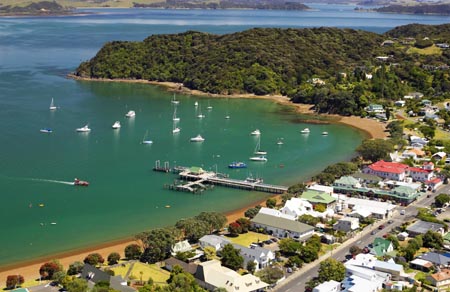
New Zealand's spectacular North Island

Friday, 23 September 2011
Wellington City


Introduction
Come Te Papa. Bound by its magnificent harbour, with wooden Victorian buildings terraced up steep hills, New Zealand's capital is home to its parliament and national treasures. Spectacular views, challenging walks, a thriving cafe and entertainment scene, and serious dedication to the arts make Wellington an enormously enjoyable place in which to spend a few days.
Destination Facts
Time zone:cGMT +12
Area:290
Coordinates:-41.3348350525 latitude and 174.807220459 longitude
Population: 379000
Area codes: 04
Getting there and away
From Wellington airport (tel: 04 385 5100; www.wellington-airport.co.nz), Air New Zealand (tel: 0800 737 000; www.airnz.co.nz) offer direct domestic flights between Wellington and most major centres, including Auckland, Christchurch, Dunedin, Rotorua and Quuenstown. Qantas (tel: 0800 808 767; www.qantas.co.nz; 2 Hunter St) also runs connections to/from Wellington to Auckland and Christchurch. Origin Pacific (tel: 0800 302 302; www.originpacific.co.nz) connects Wellington with Blenheim, Nelson and Christchurch and Soundsair (tel: 0800 505 005; www.soundsair.co.nz) runs services between Wellington and Picton, Kaikoura and Nelson via Blenheim. Holders of backpacker and student cards may be eligible for discounts. There are two ferry companies running regular services across the strait between Wellington and Picton on the South Island, Bluebridge Ferries (tel: 0800 844 844; www.bluebridge.co.nz) and Interislander (tel: 0800 802 802; www.interislandler.co.nz. The crossing takes around three hours and you can take a car, motorbike, surfboard or bicycle across with you for an extra cost. Note that the Lynx high-speed catamaran ceased operating in April 2005. Wellington is an important junction for bus travel, with buses north to Auckland and all major towns in between. InterCity (tel: 04 385 0520; www.intercitycoach.co.nz) and Newmans (tel: 04 385 0521; www.newmanscoach.co.nz) buses depart from Platform 9 at the train station. Tickets are sold at the travel centre in the train station. Kiwi Traveller (tel: 0800 500 100; www.kiwitraveller.co.nz) operates a daily service through the heart of the North Island, from Wellington north to Palmerston North (2.25hr), National Park (5.5hr), Taupo (7hr) and Rotorua (8hr). Wellington train station has a travel centre (tel: 04 498 3000, ext 44324) that books and sells tickets for Tranz Scenic trains, Intercity buses, Interislander ferries, tours and more. Long-distance services operated by Tranz Scenic (tel: 0800 872 467; www.tranzscenic.co.nz) include the Overlander operating daily between Wellington and Auckland (12hr) and the Capital Connection, primarily a commuter service between Wellington and Palmerston North (2hr).
Getting around
The Stagecoach Flyer (tel: 0800 801 700; www.stagecoach.co.nz/flyer) is a local bus running between the airport, Wellington city and Lower Hutt, calling at major stops. Wellington has an efficient local bus system. Stagecoach (tel: 0800 801 700; www.stagecoach.co.nz/wellington), has frequent services from 07:00-23:30 on most routes. Most depart from the Lambton Quay interchange (beside the train station) and from the major bus stop on Courtenay Place at the intersection with Cambridge Terrace. The City Circular (10:00-16:45) is the name given to the distinctive bright yellow buses that take in Wellington's prime inner-city locations, making it handy for travellers wishing to see the major sights. These buses loop the city every 15 minutes. The After Midnight Bus Service (tel: 0800 801 700) has buses departing from the central entertainment district (Courtenay Pl or Cuba St) until 03:00 Saturday and Sunday to a number of outer suburbs. As well as the major car-hire companies, Wellington has a number of operators that will negotiate cheap deals, including Ace Rental Cars (tel: 0800 535 500; www.acerentalcars.co.nz), Apex Car Rental (tel: 0800 939 597; www.apexrentals.co.nz) and Omega Rental Cars (tel: 0800 667 722; www.omegarentals.com). Taxi companies include Wellington Combined Taxis (tel: 0800 384 4444) and Wellington City Cabs (tel: 0800 388 8000). Tranz Metro (tel: 0800 801 700; www.tranzmetro.co.nz) operates five suburban train routes. Trains run frequently from 06:00- 24:00, departing from Wellington train station.
 Weather
November to April are the warmer months and the best time to visit; average maximum temperatures during this time hover around 20 ° C (68 ° F). During the colder, wetter months, May to August, the daily temperature lurks around 12 ° C (54 ° F). Wellington is renowned for being windy - the city's maritime climate catches the blustery, persistent and often chilly winds that whistle through the Cook Strait.
Places of Interest
Bound by its magnificent harbour, with wooden Victorian buildings terraced up steep hills, New Zealand's capital is home to its parliament and national treasures. Spectacular views, challenging walks, a thriving cafe and entertainment scene, and serious dedication to the arts make Wellington an enormously enjoyable place in which to spend a few days.
 Related Posts: New Zealand Country, Christchurch City, Auckland City
Come Te Papa. Bound by its magnificent harbour, with wooden Victorian buildings terraced up steep hills, New Zealand's capital is home to its parliament and national treasures. Spectacular views, challenging walks, a thriving cafe and entertainment scene, and serious dedication to the arts make Wellington an enormously enjoyable place in which to spend a few days.
Destination Facts
Time zone:cGMT +12
Area:290
Coordinates:-41.3348350525 latitude and 174.807220459 longitude
Population: 379000
Area codes: 04
Getting there and away
From Wellington airport (tel: 04 385 5100; www.wellington-airport.co.nz), Air New Zealand (tel: 0800 737 000; www.airnz.co.nz) offer direct domestic flights between Wellington and most major centres, including Auckland, Christchurch, Dunedin, Rotorua and Quuenstown. Qantas (tel: 0800 808 767; www.qantas.co.nz; 2 Hunter St) also runs connections to/from Wellington to Auckland and Christchurch. Origin Pacific (tel: 0800 302 302; www.originpacific.co.nz) connects Wellington with Blenheim, Nelson and Christchurch and Soundsair (tel: 0800 505 005; www.soundsair.co.nz) runs services between Wellington and Picton, Kaikoura and Nelson via Blenheim. Holders of backpacker and student cards may be eligible for discounts. There are two ferry companies running regular services across the strait between Wellington and Picton on the South Island, Bluebridge Ferries (tel: 0800 844 844; www.bluebridge.co.nz) and Interislander (tel: 0800 802 802; www.interislandler.co.nz. The crossing takes around three hours and you can take a car, motorbike, surfboard or bicycle across with you for an extra cost. Note that the Lynx high-speed catamaran ceased operating in April 2005. Wellington is an important junction for bus travel, with buses north to Auckland and all major towns in between. InterCity (tel: 04 385 0520; www.intercitycoach.co.nz) and Newmans (tel: 04 385 0521; www.newmanscoach.co.nz) buses depart from Platform 9 at the train station. Tickets are sold at the travel centre in the train station. Kiwi Traveller (tel: 0800 500 100; www.kiwitraveller.co.nz) operates a daily service through the heart of the North Island, from Wellington north to Palmerston North (2.25hr), National Park (5.5hr), Taupo (7hr) and Rotorua (8hr). Wellington train station has a travel centre (tel: 04 498 3000, ext 44324) that books and sells tickets for Tranz Scenic trains, Intercity buses, Interislander ferries, tours and more. Long-distance services operated by Tranz Scenic (tel: 0800 872 467; www.tranzscenic.co.nz) include the Overlander operating daily between Wellington and Auckland (12hr) and the Capital Connection, primarily a commuter service between Wellington and Palmerston North (2hr).
Getting around
The Stagecoach Flyer (tel: 0800 801 700; www.stagecoach.co.nz/flyer) is a local bus running between the airport, Wellington city and Lower Hutt, calling at major stops. Wellington has an efficient local bus system. Stagecoach (tel: 0800 801 700; www.stagecoach.co.nz/wellington), has frequent services from 07:00-23:30 on most routes. Most depart from the Lambton Quay interchange (beside the train station) and from the major bus stop on Courtenay Place at the intersection with Cambridge Terrace. The City Circular (10:00-16:45) is the name given to the distinctive bright yellow buses that take in Wellington's prime inner-city locations, making it handy for travellers wishing to see the major sights. These buses loop the city every 15 minutes. The After Midnight Bus Service (tel: 0800 801 700) has buses departing from the central entertainment district (Courtenay Pl or Cuba St) until 03:00 Saturday and Sunday to a number of outer suburbs. As well as the major car-hire companies, Wellington has a number of operators that will negotiate cheap deals, including Ace Rental Cars (tel: 0800 535 500; www.acerentalcars.co.nz), Apex Car Rental (tel: 0800 939 597; www.apexrentals.co.nz) and Omega Rental Cars (tel: 0800 667 722; www.omegarentals.com). Taxi companies include Wellington Combined Taxis (tel: 0800 384 4444) and Wellington City Cabs (tel: 0800 388 8000). Tranz Metro (tel: 0800 801 700; www.tranzmetro.co.nz) operates five suburban train routes. Trains run frequently from 06:00- 24:00, departing from Wellington train station.
November to April are the warmer months and the best time to visit; average maximum temperatures during this time hover around 20 ° C (68 ° F). During the colder, wetter months, May to August, the daily temperature lurks around 12 ° C (54 ° F). Wellington is renowned for being windy - the city's maritime climate catches the blustery, persistent and often chilly winds that whistle through the Cook Strait.
Places of Interest
Bound by its magnificent harbour, with wooden Victorian buildings terraced up steep hills, New Zealand's capital is home to its parliament and national treasures. Spectacular views, challenging walks, a thriving cafe and entertainment scene, and serious dedication to the arts make Wellington an enormously enjoyable place in which to spend a few days.
Monday, 4 July 2011
Christchurch City

Introduction
Beneath the veneer of understatement lies a vibrant city of new ideas. The South Island's largest city, Christchurch is perfect as a pleasant jumping-off point for the mountains, ocean beaches, rivers, lakes and wide-open spaces less than an hour from the city centre. But Christchurch is more than just a springboard.
Destination Facts
Time zone: GMT +12
Area: 452
Coordinates: -43.5239982605 latitude and 172.638000488 longitude
Population: 344100
Area codes: 03
Getting There
The peak travel time in New Zealand is the summer school holidays, from late December to late January - this is also the best time for beach weather. The warmer months (November to April) in general are busy, and you should consider booking accommodation in advance.
Getting there and away
Christchurch is the main international gateway to the South Island, with flights to Australia and a limited number of other countries. The airport is 12km (7.5mi) from the city centre. Both the international and domestic terminals have excellent facilities, including a bureau de change, ATMs, car rentals and left luggage. Air New Zealand is the main domestic carrier and there are daily direct flights between Christchurch and Auckland, Blenheim, Dunedin, Hamilton, Hokitika, Invercargill, Nelson, Queenstown, Wanaka and Wellington, with connections to other centres. Other carriers also offer daily direct flights to the bigger centres. Departure tax for international flights is payable at the airport. Trains run to Picton via Blenheim with connections to the Interislander ferry to Wellington. The train station is 2km (1.2mi) southwest of the city centre. Regular coach services will get you south to Queenstown, Picton, Mt Cook and Dunedin and west to Greymouth and Hokitika via Arthur's Pass.
Getting around
Trains run to Picton via Blenheim with connections to the Interislander ferry to Wellington. The train station is 2km (1.2mi) southwest of the city centre. There is a daily TransAlpine train service that runs from Christchurch to Greymouth via Arthur's Pass - dubbed one of the world's great train journeys. Regular coach services will get you north to Picton, south to Queenstown, Mt Cook and Dunedin and west to Greymouth and Hokitika via Arthur's Pass. Christchurch's bus service is good, cheap and efficient. Most city buses run from the well-organised City Exchange, which can be accessed from Colombo Street. Christchurch's compact size and flat topography make it ideal for cycling, and hired bikes can be delivered to your accommodation. Taxis are plentiful, as are car rentals. Christchurch is the best place on the South Island to rent a car or a motor home.
Weather
Christchurch has a temperate climate, although summers can be hotter than the norm for the South Island. They are usually pretty dry too, thanks to the shelter of the nearby mountains. Winter temperatures can be cold, with snow at sea level not unheard of. Christchurch has its own notorious wind - a fiery springtime nor'wester - that can cause widespread damage when at gale force.
Beneath the veneer of understatement lies a vibrant city of new ideas. The South Island's largest city, Christchurch is perfect as a pleasant jumping-off point for the mountains, ocean beaches, rivers, lakes and wide-open spaces less than an hour from the city centre. But Christchurch is more than just a springboard.
Destination Facts
Time zone: GMT +12
Area: 452
Coordinates: -43.5239982605 latitude and 172.638000488 longitude
Population: 344100
Area codes: 03
Getting There
The peak travel time in New Zealand is the summer school holidays, from late December to late January - this is also the best time for beach weather. The warmer months (November to April) in general are busy, and you should consider booking accommodation in advance.
Getting there and away
Christchurch is the main international gateway to the South Island, with flights to Australia and a limited number of other countries. The airport is 12km (7.5mi) from the city centre. Both the international and domestic terminals have excellent facilities, including a bureau de change, ATMs, car rentals and left luggage. Air New Zealand is the main domestic carrier and there are daily direct flights between Christchurch and Auckland, Blenheim, Dunedin, Hamilton, Hokitika, Invercargill, Nelson, Queenstown, Wanaka and Wellington, with connections to other centres. Other carriers also offer daily direct flights to the bigger centres. Departure tax for international flights is payable at the airport. Trains run to Picton via Blenheim with connections to the Interislander ferry to Wellington. The train station is 2km (1.2mi) southwest of the city centre. Regular coach services will get you south to Queenstown, Picton, Mt Cook and Dunedin and west to Greymouth and Hokitika via Arthur's Pass.
Getting around
Trains run to Picton via Blenheim with connections to the Interislander ferry to Wellington. The train station is 2km (1.2mi) southwest of the city centre. There is a daily TransAlpine train service that runs from Christchurch to Greymouth via Arthur's Pass - dubbed one of the world's great train journeys. Regular coach services will get you north to Picton, south to Queenstown, Mt Cook and Dunedin and west to Greymouth and Hokitika via Arthur's Pass. Christchurch's bus service is good, cheap and efficient. Most city buses run from the well-organised City Exchange, which can be accessed from Colombo Street. Christchurch's compact size and flat topography make it ideal for cycling, and hired bikes can be delivered to your accommodation. Taxis are plentiful, as are car rentals. Christchurch is the best place on the South Island to rent a car or a motor home.
Weather
Christchurch has a temperate climate, although summers can be hotter than the norm for the South Island. They are usually pretty dry too, thanks to the shelter of the nearby mountains. Winter temperatures can be cold, with snow at sea level not unheard of. Christchurch has its own notorious wind - a fiery springtime nor'wester - that can cause widespread damage when at gale force.
Sunday, 12 June 2011
Auckland City


Introduction
Pacific-lapped Auckland is perfect for water babies. This waterside city has a strong pulse and a nautical twinkle in its eye. Its location on a thin stretch of the North Island, sandwiched between the Pacific Ocean and the Tasman Sea, is complemented by the lush subtropical forests of nearby hills and the volcanic terrains of nearby islands.
With its spectacular harbour and bridge, New Zealand's largest city ranks with the best and its districts weave their way around a variety of bays ideal for swimming, water sports and particularly yachting - hence the nickname 'City of Sails'.
Administratively, Auckland consists of a number of cities forming one vast urban sprawl. Auckland City proper lies between the Waitemata and Manukau Harbours. North Shore City, including the suburbs of Takapuna and Devonport, is just over the harbour bridge. Manukau City is to the south of Auckland proper, Waitakere City is to the west. The lively waterfront, with its stylish Viaduct Harbour and Princes Wharf development, is a good place to start an exploration of the city. The commercial heart is Queen St. It runs from Queen Elizabeth II Square near the waterfront uphill to cosmopolitan Karangahape Rd (K Rd), passing Aotea Square.Parnell, just east of the city centre, is a fashionable area of renovated wooden villas crammed with restaurants and boutiques. Tamaki Drive (sometimes called Waterfront Drive) starts from here and continues east all the way to St Heliers Bay, passing the swimming beaches at Okahu Bay and Mission Bay en route. Offshore, the Hauraki Gulf is dotted with islands. Southeast of the centre is the huge green expanse of Auckland Domain, one of 22 parks in the city. To the west are the fashionable cafe district of Ponsonby and upmarket Herne Bay. And visible from just about everywhere in Auckland is the Sky Tower, which soars above the city centre.
Destination facts
Time zone: GMT +12
Area: 16140
Coordinates: -36.9039993286 latitude and 174.761001587 longitude
Population: 1300000
Languages: English and Maori are the two official languages. English is more widely spoken, though the Maori language, for so long on the decline, is now making a comeback thanks to the revival of Maoritanga. A mellifluous, poetic language, Maori is surprisingly easy to pronounce if spoken phonetically and each word split into separate syllables.NZSL or New Zealand Sign Language was made an official language in 2006.
Currency: New Zealand Dollar (NZ$)
Daylight Saving: From first Sunday in October to third Sunday in March
Area codes: 09
Getting there and away
Most international flights to New Zealand go through Auckland. Direct flights connect to and from west coast USA; east coast Australia and Perth; London and Frankfurt, and several cities in Asia. There's a departure tax for all international flights from Auckland, payable at the airport. A number of domestic airlines connect Auckland with other major centres in New Zealand. There are regular bus services between Auckland and most larger towns and tourist areas; they operate from the Sky City Coach Terminal on Hobson St. There's an early morning train and an overnight train to Wellington daily. Hiring a car and driving around New Zealand is easy, although the roads can be spoiled by cowboy behaviour.
Getting around
Auckland airport is 21km (13mi) southwest of the city centre and airport shuttles run to several accommodation places and Aotea Square in the city. A taxi will cost around 30.00.The Britomart Transport Centre provides a hub where you can access buses, trains and ferries as well as general transport information. Because it is such a sprawling city, the car is king in Auckland. The place is crawling with car-hire operators. If you're a cyclist, hire a bicycle and try the pleasant waterfront rides. Taxis are easy to hire from ranks or from the sidewalk. Ferries run between the city centre and various spots on the North Shore and the gulf islands.
Weather
Auckland's maritime climate ensures that temperatures never go to the extremes they would if the city were landlocked. Temperatures usually stay in the mid 20 ° s (high 70 ° Fs) in summer, and rarely fall near freezing in winter (June-August) - although the ground in some sheltered low-lying areas may at times receive a coating of frost. In summer the weather can become quite humid.
Places of Interest
This waterside city has a strong pulse and a nautical twinkle in its eye. Its location on a thin stretch of the North Island, sandwiched between the Pacific Ocean and the Tasman Sea, is complemented by the lush subtropical forests of nearby hills and the volcanic terrains of nearby islands. With its spectacular harbour and bridge, New Zealand's largest city ranks with the best and its districts weave their way around a variety of bays ideal for swimming, water sports and particularly yachting - hence the nickname 'City of Sails'.
Events
Summer is a happening time in Auckland. In January there are the Open Tennis Championships and the Auckland Anniversary Day Regatta, commemorating the arrival of Captain Hobson in New Zealand. Come March, the hugely popular Pasifika Festival celebrates Polynesian culture through music and performances at Western Springs. The Waiheke Jazz Festival also tunes up in March and full-size Maori waka (war canoes) take to the Waikato River, Ngaruawahia, for the Turangawaewae Regatta. November blooms with the Ellerslie Flower Show at the Botanic Gardens, and the year is wrapped up in December with the Auckland Cup at Ellerslie Race Course. Various small food, wine and music festivals crop up throughout the year.
Pacific-lapped Auckland is perfect for water babies. This waterside city has a strong pulse and a nautical twinkle in its eye. Its location on a thin stretch of the North Island, sandwiched between the Pacific Ocean and the Tasman Sea, is complemented by the lush subtropical forests of nearby hills and the volcanic terrains of nearby islands.
With its spectacular harbour and bridge, New Zealand's largest city ranks with the best and its districts weave their way around a variety of bays ideal for swimming, water sports and particularly yachting - hence the nickname 'City of Sails'.
Administratively, Auckland consists of a number of cities forming one vast urban sprawl. Auckland City proper lies between the Waitemata and Manukau Harbours. North Shore City, including the suburbs of Takapuna and Devonport, is just over the harbour bridge. Manukau City is to the south of Auckland proper, Waitakere City is to the west. The lively waterfront, with its stylish Viaduct Harbour and Princes Wharf development, is a good place to start an exploration of the city. The commercial heart is Queen St. It runs from Queen Elizabeth II Square near the waterfront uphill to cosmopolitan Karangahape Rd (K Rd), passing Aotea Square.Parnell, just east of the city centre, is a fashionable area of renovated wooden villas crammed with restaurants and boutiques. Tamaki Drive (sometimes called Waterfront Drive) starts from here and continues east all the way to St Heliers Bay, passing the swimming beaches at Okahu Bay and Mission Bay en route. Offshore, the Hauraki Gulf is dotted with islands. Southeast of the centre is the huge green expanse of Auckland Domain, one of 22 parks in the city. To the west are the fashionable cafe district of Ponsonby and upmarket Herne Bay. And visible from just about everywhere in Auckland is the Sky Tower, which soars above the city centre.
Destination facts
Time zone: GMT +12
Area: 16140
Coordinates: -36.9039993286 latitude and 174.761001587 longitude
Population: 1300000
Languages: English and Maori are the two official languages. English is more widely spoken, though the Maori language, for so long on the decline, is now making a comeback thanks to the revival of Maoritanga. A mellifluous, poetic language, Maori is surprisingly easy to pronounce if spoken phonetically and each word split into separate syllables.NZSL or New Zealand Sign Language was made an official language in 2006.
Currency: New Zealand Dollar (NZ$)
Daylight Saving: From first Sunday in October to third Sunday in March
Area codes: 09
Getting there and away
Most international flights to New Zealand go through Auckland. Direct flights connect to and from west coast USA; east coast Australia and Perth; London and Frankfurt, and several cities in Asia. There's a departure tax for all international flights from Auckland, payable at the airport. A number of domestic airlines connect Auckland with other major centres in New Zealand. There are regular bus services between Auckland and most larger towns and tourist areas; they operate from the Sky City Coach Terminal on Hobson St. There's an early morning train and an overnight train to Wellington daily. Hiring a car and driving around New Zealand is easy, although the roads can be spoiled by cowboy behaviour.
Getting around
Auckland airport is 21km (13mi) southwest of the city centre and airport shuttles run to several accommodation places and Aotea Square in the city. A taxi will cost around 30.00.The Britomart Transport Centre provides a hub where you can access buses, trains and ferries as well as general transport information. Because it is such a sprawling city, the car is king in Auckland. The place is crawling with car-hire operators. If you're a cyclist, hire a bicycle and try the pleasant waterfront rides. Taxis are easy to hire from ranks or from the sidewalk. Ferries run between the city centre and various spots on the North Shore and the gulf islands.
Weather
Auckland's maritime climate ensures that temperatures never go to the extremes they would if the city were landlocked. Temperatures usually stay in the mid 20 ° s (high 70 ° Fs) in summer, and rarely fall near freezing in winter (June-August) - although the ground in some sheltered low-lying areas may at times receive a coating of frost. In summer the weather can become quite humid.
Places of Interest
This waterside city has a strong pulse and a nautical twinkle in its eye. Its location on a thin stretch of the North Island, sandwiched between the Pacific Ocean and the Tasman Sea, is complemented by the lush subtropical forests of nearby hills and the volcanic terrains of nearby islands. With its spectacular harbour and bridge, New Zealand's largest city ranks with the best and its districts weave their way around a variety of bays ideal for swimming, water sports and particularly yachting - hence the nickname 'City of Sails'.
Events
Summer is a happening time in Auckland. In January there are the Open Tennis Championships and the Auckland Anniversary Day Regatta, commemorating the arrival of Captain Hobson in New Zealand. Come March, the hugely popular Pasifika Festival celebrates Polynesian culture through music and performances at Western Springs. The Waiheke Jazz Festival also tunes up in March and full-size Maori waka (war canoes) take to the Waikato River, Ngaruawahia, for the Turangawaewae Regatta. November blooms with the Ellerslie Flower Show at the Botanic Gardens, and the year is wrapped up in December with the Auckland Cup at Ellerslie Race Course. Various small food, wine and music festivals crop up throughout the year.
Subscribe to:
Posts (Atom)