
Showing posts with label Indonesia. Show all posts
Showing posts with label Indonesia. Show all posts
Thursday, 4 October 2012
World's Best Islands

Wednesday, 3 October 2012
10 World's last great quiet places

Monday, 7 May 2012
Manado City


In 1844 Manado was levelled by earthquakes, so the Dutch redesigned it from scratch. Fourteen years later the famous naturalist Alfred Wallace visited, and described the city of Manado as 'one of the prettiest in the East'. That was 150 years ago and time hasn't been kind to the place.


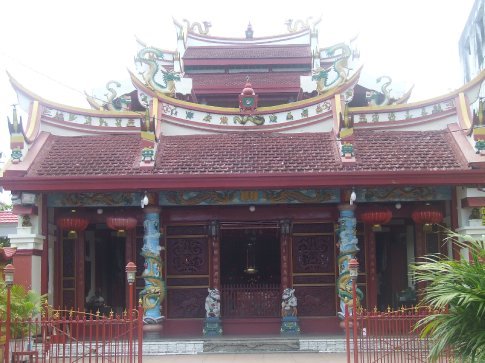
Paradise diving and snorkeling to hiking and rafting. Manado is a tourist destination with nature and activity, and although the city itself has some interesting views and some colonial architecture, most visitors spend their time at the dive sites and bungalows on the beach at the nearby National Park Bunaken Marine. Manado is the cultural center of the population Minahasa Christian and Buddhist temple in Ban Hin Kiong, is the main attraction of the city. There are also some souvenir shops and malls in the city.


Thursday, 2 February 2012
Sumatra City
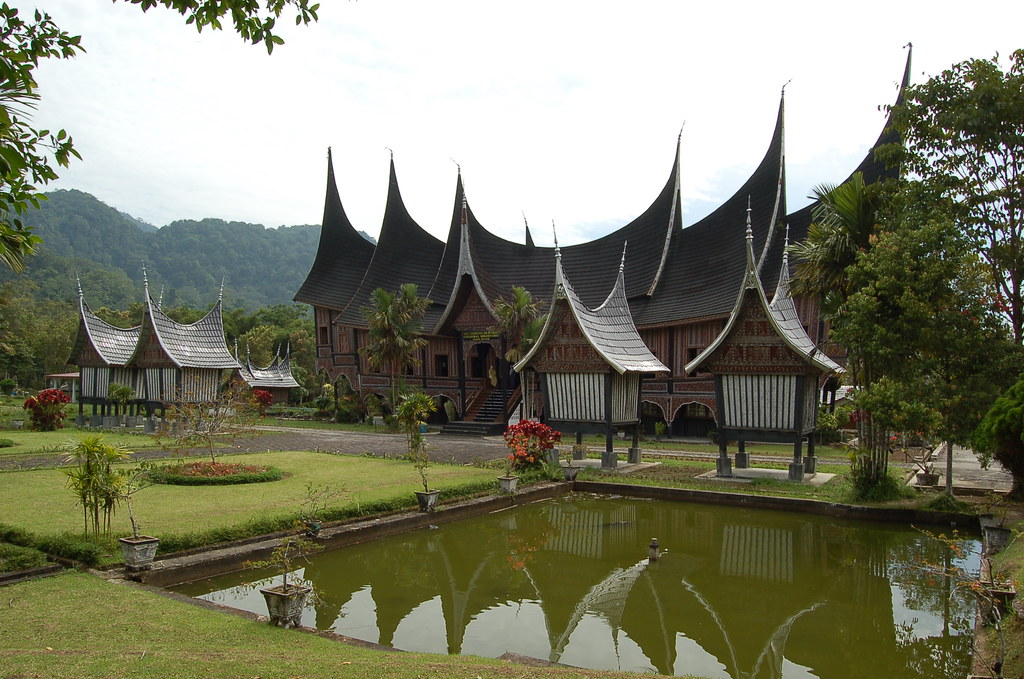

However fevered your dreams of the jungle, Sumatra will surpass them. Sumatra is as rugged as it gets. Thick rainforests cascade like water down towering peaks. Jungle treks are a struggle with gravity and mud. But rewards are plentiful: the world's largest flower, one of the last remaining enclaves of orang-utans, or the sulfur-spouting crater of a resting volcano.
Sumatra is a complete tourist destination-sunny beaches, rich flora and fauna, large rivers and great history. Sumatra has the richest wildlife in Indonesia and hence it is known as "Africa of Asia". It is full of tropical rainforests and if you are a wildlife lover then Sumatra is the ideal place for you. Trekking is another option that you can opt for in Sumatra. Sumatra attracts fewer tourists than its neighbours like Java and Bali. So if you are looking for a quiet holiday away from maddening crowds then Sumatra fits the bill perfectly.


Time zone: GMT +7
Area: 473607
Population: 40000000
Currency: Rupiah (Rp)
Area codes: 62


Most travellers arrive and depart through Medan by air. You can fly from Jakarta to a number of places in Sumatra, and from Singapore, Penang and Kuala Lumpur to Medan. International flights from Singapore and Kuala Lumpur touch down in Padang. There are ferries between Penang and Medan; Melaka and Dumai; and Singapore and Pekanbaru via the Indonesian island of Bintan.

Indonesia has a variety of airlines servicing domestic routes, including Garuda, Mandala and Merpati. Budget airlines include Adam Air, Sriwijaya and Lion Air. Each airline publishes a nationwide timetable which can be obtained from their respective head offices in Jakarta. On more popular routes, book well in advance, especially in the peak tourist season around July and August. Airport tax on domestic flights is usually between 2.00 and 4.00. Sumatra's main roads are pot-holed backroads if judged by international standards. Bus is the most common form of transport, and in many cases is the only form of intercity travel. Sumatra has only one useful rail line: between Bandarlampung and Palembang. You can rent cars, motorbikes and bicycles in the main cities and tourist centres, and there are regular ferries from Sumatra to surrounding islands.

Sitting astride the equator, Sumatra's climate is about as tropical as tropical gets. Daytime temperatures seldom fail to reach 30 ° C (86 ° F) on the coast, but fortunately the weather is appreciably cooler inland around the mountains. Places like Berastagi, Bukittinggi and Danau Toba get cool enough at night to warrant a blanket. The dry season runs from May to September. The timing of the wet season is hard to predict. In the north, the rains start in October, and December/January are the wettest months; in the south, the rains start in November, peaking in January/February. Bengkulu and West Sumatra are the wettest places, with average rainfall approaching 3500mm.
Monday, 14 November 2011
Java City


Introduction
You can ricochet from village life to MTV on this beautiful island. The most developed island in the Indonesian archipelago, Java exhibits all the characteristics of an Asian society experiencing rapid transition: great wealth and equal squalor; beautiful open country and filthy cities; tranquil rural scenes and streets choked with traffic.
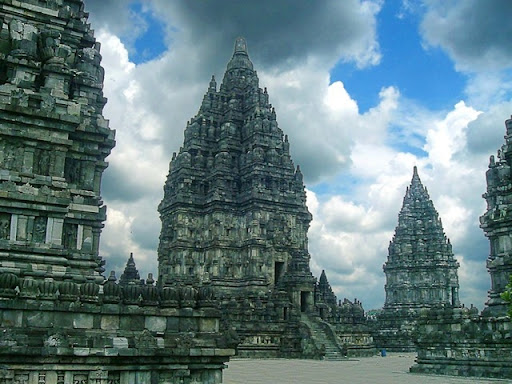
 The Hindu-Buddhist empires reached their zenith on Java, producing architectural wonders such as Borobudur and Prambanan. Islam, following on after this, absorbed rather than erased local cultures, leaving Java with a mish-mash of historic influences and religions.
 Destination Facts
Time zone: GMT +7
Area: 132000
Population: 128000000
Currency: Rupiah (Rp)
Area codes: Bandung 22, Jakarta 21, Yogyakarta 27
 Getting there and away
Jakarta is Indonesia's busiest international airport and is the hub of the domestic air network. The departure tax on international flights is around 10.00. On domestic flights it's around 4.00 and is not included in the ticket price. Be sure to reconfirm bookings at least 72 hours before departure. Indonesia has one of the most extensive ferry and passenger ship networks in the world, with regular boats running between all the main inhabited islands. A ferry shuttles between Ketapang in eastern Java and the west-Balinese port of Gilimanuk. Boat/bus combination tickets between Yogyakarta or Surabaya and Denpasar in Bali can be purchased. There are numerous ships and ferries between Java and various ports in Sumatra. The Merak-Bakauheni ferry is probably the most popular. There are also ships between Jakarta and Singapore via the Indonesian island of Tanjung Pinang.
 Getting around
There's no reason to fly around Java (although tickets are cheap and the route network is extensive) unless you want an aerial view of the island's spectacular volcanoes. There are a number of domestic airlines, including Garuda (the national carrier) Merpati, Mandala and Bouraq. A tax of 10% and a trifling domestic departure tax are added to the fare. It's essential to reconfirm your ticket since overbooking of flights is common. Buses are the main form of inter-city transportation. They range from slow, crowded, ordinary public buses to convenient, quick and comfortable luxury services. Small minibuses cover shorter routes, backroads and inner-city destinations. Like the buses, they range from pack-'em-in sweatboxes to a good network of door-to-door minibuses. Java has a pretty good rail service running from one end of the island to the other. In the east (at Ketapang), it connects with the ferry to Bali; in the west (at Merak), it connects with the ferry to Sumatra. The two main lines run between Jakarta and Surabaya - one via Yogya and Solo; the other, shorter route via Semarang. Choose your train carefully for comfort and speed. They range from cheap, squalid cattle trains to reasonably comfortable expresses. Cars can be hired in Jakarta, but rates are triple those in the West and you'll need the patience of a saint and the concentration powers of a grand chess master to drive on Java's busy main roads. There appear to be no road rules, but a form of logic does exist: drive on the left, and give way to anything bigger than you, more or less sums it up. It's best to hire a car or minibus with a driver, and private operators can arrange this for a fraction of self-drive rates. Motorbikes are readily available for hire across Java, but make sure that you're a competent rider because your skills will be tested. Bicycles can be rented in tourist centres; they're mainly for nipping around town, not for touring the island.
 Weather
The temperature in Java doesn't vary much, ranging from a minimum of 23 ° C (74 ° F) to a maximum 31 ° C (88 ° F). During the wet season (October to April) the rain comes down hard but the humidity does not ease up, sustaining a high level of discomfort throughout the year.
 Events
The Ramayana Ballet, Java's most spectacular dance drama, is performed at the outdoor theatre at the Prambanan temple complex near Yogya on four successive nights twice a month from May to September. (Over the same period, a one-night, full-story version is also held every Tuesday, Wednesday and Thursday). The month long Jakarta Fair in June-July includes carnival attractions and cultural events in celebration of Jakarta's founding on 22 June. Parades are held in every town and village on 17 August to celebrate Independence Day. The island of Madura, just off Java's northeastern coast, stages its famous bull races in August and September. The races culminate in the final race at Pamekasan, usually in September. One festival worth looking out for is the Buddhist Vaicak at Borobudur, which celebrates the enlightenment of Buddha; it's held once a year over the full moon in May or June. Thousands of pilgrims gather to offer prayers and join the procession from the nearby Mendut temple to Borobudur. The 4 day Borobudur Festival is held at the same time and includes dance and music performances and arts and crafts exhibits.
Related Posts: Lombok City, Bandung City, Jakarta City, Bali City
You can ricochet from village life to MTV on this beautiful island. The most developed island in the Indonesian archipelago, Java exhibits all the characteristics of an Asian society experiencing rapid transition: great wealth and equal squalor; beautiful open country and filthy cities; tranquil rural scenes and streets choked with traffic.
Time zone: GMT +7
Area: 132000
Population: 128000000
Currency: Rupiah (Rp)
Area codes: Bandung 22, Jakarta 21, Yogyakarta 27
Jakarta is Indonesia's busiest international airport and is the hub of the domestic air network. The departure tax on international flights is around 10.00. On domestic flights it's around 4.00 and is not included in the ticket price. Be sure to reconfirm bookings at least 72 hours before departure. Indonesia has one of the most extensive ferry and passenger ship networks in the world, with regular boats running between all the main inhabited islands. A ferry shuttles between Ketapang in eastern Java and the west-Balinese port of Gilimanuk. Boat/bus combination tickets between Yogyakarta or Surabaya and Denpasar in Bali can be purchased. There are numerous ships and ferries between Java and various ports in Sumatra. The Merak-Bakauheni ferry is probably the most popular. There are also ships between Jakarta and Singapore via the Indonesian island of Tanjung Pinang.
There's no reason to fly around Java (although tickets are cheap and the route network is extensive) unless you want an aerial view of the island's spectacular volcanoes. There are a number of domestic airlines, including Garuda (the national carrier) Merpati, Mandala and Bouraq. A tax of 10% and a trifling domestic departure tax are added to the fare. It's essential to reconfirm your ticket since overbooking of flights is common. Buses are the main form of inter-city transportation. They range from slow, crowded, ordinary public buses to convenient, quick and comfortable luxury services. Small minibuses cover shorter routes, backroads and inner-city destinations. Like the buses, they range from pack-'em-in sweatboxes to a good network of door-to-door minibuses. Java has a pretty good rail service running from one end of the island to the other. In the east (at Ketapang), it connects with the ferry to Bali; in the west (at Merak), it connects with the ferry to Sumatra. The two main lines run between Jakarta and Surabaya - one via Yogya and Solo; the other, shorter route via Semarang. Choose your train carefully for comfort and speed. They range from cheap, squalid cattle trains to reasonably comfortable expresses. Cars can be hired in Jakarta, but rates are triple those in the West and you'll need the patience of a saint and the concentration powers of a grand chess master to drive on Java's busy main roads. There appear to be no road rules, but a form of logic does exist: drive on the left, and give way to anything bigger than you, more or less sums it up. It's best to hire a car or minibus with a driver, and private operators can arrange this for a fraction of self-drive rates. Motorbikes are readily available for hire across Java, but make sure that you're a competent rider because your skills will be tested. Bicycles can be rented in tourist centres; they're mainly for nipping around town, not for touring the island.
The temperature in Java doesn't vary much, ranging from a minimum of 23 ° C (74 ° F) to a maximum 31 ° C (88 ° F). During the wet season (October to April) the rain comes down hard but the humidity does not ease up, sustaining a high level of discomfort throughout the year.
The Ramayana Ballet, Java's most spectacular dance drama, is performed at the outdoor theatre at the Prambanan temple complex near Yogya on four successive nights twice a month from May to September. (Over the same period, a one-night, full-story version is also held every Tuesday, Wednesday and Thursday). The month long Jakarta Fair in June-July includes carnival attractions and cultural events in celebration of Jakarta's founding on 22 June. Parades are held in every town and village on 17 August to celebrate Independence Day. The island of Madura, just off Java's northeastern coast, stages its famous bull races in August and September. The races culminate in the final race at Pamekasan, usually in September. One festival worth looking out for is the Buddhist Vaicak at Borobudur, which celebrates the enlightenment of Buddha; it's held once a year over the full moon in May or June. Thousands of pilgrims gather to offer prayers and join the procession from the nearby Mendut temple to Borobudur. The 4 day Borobudur Festival is held at the same time and includes dance and music performances and arts and crafts exhibits.
Related Posts: Lombok City, Bandung City, Jakarta City, Bali City
Friday, 28 October 2011
Lombok City


Introduction
Beach-side serenity in the shade of a majestic volcano. Less developed than Bali, Lombok has better beaches, a bigger volcano and more varied landscapes. Tourism is still low key, and many visitors are independent travellers drawn by the island's intoxicating diving and snorkelling, hiking and surf spots, as well as Lombok's intriguing endemic culture.
 Destination Facts
Time zone: GMT +8
Area: 4725
Coordinates: -8.5 latitude and 116.66667 longitude
Population: 3000000
Currency: Rupiah (Rp)
Area codes: 62
Getting there and away
Several airlines including Merpati, GT Air and Wings Air connect Lombok with Bali, and there are also flights to/from Surabaya (Java) and Sumbawa Besar and Bima (both in Sumbawa). In addition there are twice-weekly international flights to/from both Singapore (with Silk Air) and Kuala Lumpar (Merpati).Frequent ferries run between Lembar in Lombok and Padangbai in Bali. The crossing takes at least four hours. Very regular ferries to Sumbawa depart from Labuhan Lombok and arrive at Poto Sano. The trip takes an hour and a half.
 Getting around
Lombok has an extensive network of roads, but public buses and bemos (minibuses) are generally restricted to main routes. Bemos run on routes all over the island, or you can charter your own. Away from these you have to hire a cidomo (pony cart), get a lift on a motorcycle or walk. In the northeast and south there is usually some public transport between the bigger towns, but it might be far between, and extremely sparse after dark. You can get around the whole island and to most of the remote locations if you have your own transport. A motorcycle is the cheapest and most versatile option, though a rental car with good ground clearance will get you a long way. Outrigger boats called prahu are used for short trips to snorkelling spots or surf breaks.
Weather
Lombok's weather is tropical - 12 hour days, 28 ° C - 34 ° C (83 ° F - 93 ° F) average temperatures throughout the year and two main seasons, the wet (October to March) and the dry (May to September).
 Places of Interest
Less developed than Bali, Lombok has better beaches, a bigger volcano and more varied landscapes. Tourism is still low key, and many visitors are independent travellers drawn by the island's intoxicating diving and snorkelling, hiking and surf spots, as well as Lombok's intriguing endemic culture.
 Events
All three Lombok religions have their own holidays and festivals, with most of them taking place at the beginning of the rainy season (October to December) or at harvest time (April to May). At these times there are celebrations in villages all over the island, and people dress in their niftiest gear. Wooden horses and lions are carried in processions through the streets, and there's nowhere to escape the sound of the the gamelan. During Ramadan, (the month changes every year) everyone fasts between sunup and sunset to conform to the fourth pillar of Islam. Partying in Gili Trawangan is curtailed for the duration. Ramadan ends with a huge feast, Eid al-Fitr, where everyone prays together, visits friends, gives presents and stuffs themselves. Eid al-Adah, another moveable event, is the other big feast of the year, and marks the time when Muslims should make the pilgrimage to Mecca. Other events include Pura Meru, a Bali Hindu ceremony celebrated on the June full moon at the temple in Cakranegara; Perang Ketupat, a rain festival held in Lingsar in mid-December where celebrants pray and fling sticky rice at each other; and Pujawali, a Bali Hindu celebration honouring the god Batara (who lives on Gunung Rinjani), held in November or December.
Related City: Bali, Jakarta, Bandung city
Beach-side serenity in the shade of a majestic volcano. Less developed than Bali, Lombok has better beaches, a bigger volcano and more varied landscapes. Tourism is still low key, and many visitors are independent travellers drawn by the island's intoxicating diving and snorkelling, hiking and surf spots, as well as Lombok's intriguing endemic culture.
Time zone: GMT +8
Area: 4725
Coordinates: -8.5 latitude and 116.66667 longitude
Population: 3000000
Currency: Rupiah (Rp)
Area codes: 62
Getting there and away
Several airlines including Merpati, GT Air and Wings Air connect Lombok with Bali, and there are also flights to/from Surabaya (Java) and Sumbawa Besar and Bima (both in Sumbawa). In addition there are twice-weekly international flights to/from both Singapore (with Silk Air) and Kuala Lumpar (Merpati).Frequent ferries run between Lembar in Lombok and Padangbai in Bali. The crossing takes at least four hours. Very regular ferries to Sumbawa depart from Labuhan Lombok and arrive at Poto Sano. The trip takes an hour and a half.
Lombok has an extensive network of roads, but public buses and bemos (minibuses) are generally restricted to main routes. Bemos run on routes all over the island, or you can charter your own. Away from these you have to hire a cidomo (pony cart), get a lift on a motorcycle or walk. In the northeast and south there is usually some public transport between the bigger towns, but it might be far between, and extremely sparse after dark. You can get around the whole island and to most of the remote locations if you have your own transport. A motorcycle is the cheapest and most versatile option, though a rental car with good ground clearance will get you a long way. Outrigger boats called prahu are used for short trips to snorkelling spots or surf breaks.
Weather
Lombok's weather is tropical - 12 hour days, 28 ° C - 34 ° C (83 ° F - 93 ° F) average temperatures throughout the year and two main seasons, the wet (October to March) and the dry (May to September).
Less developed than Bali, Lombok has better beaches, a bigger volcano and more varied landscapes. Tourism is still low key, and many visitors are independent travellers drawn by the island's intoxicating diving and snorkelling, hiking and surf spots, as well as Lombok's intriguing endemic culture.
All three Lombok religions have their own holidays and festivals, with most of them taking place at the beginning of the rainy season (October to December) or at harvest time (April to May). At these times there are celebrations in villages all over the island, and people dress in their niftiest gear. Wooden horses and lions are carried in processions through the streets, and there's nowhere to escape the sound of the the gamelan. During Ramadan, (the month changes every year) everyone fasts between sunup and sunset to conform to the fourth pillar of Islam. Partying in Gili Trawangan is curtailed for the duration. Ramadan ends with a huge feast, Eid al-Fitr, where everyone prays together, visits friends, gives presents and stuffs themselves. Eid al-Adah, another moveable event, is the other big feast of the year, and marks the time when Muslims should make the pilgrimage to Mecca. Other events include Pura Meru, a Bali Hindu ceremony celebrated on the June full moon at the temple in Cakranegara; Perang Ketupat, a rain festival held in Lingsar in mid-December where celebrants pray and fling sticky rice at each other; and Pujawali, a Bali Hindu celebration honouring the god Batara (who lives on Gunung Rinjani), held in November or December.
Related City: Bali, Jakarta, Bandung city
Monday, 26 September 2011
Bandung City (West Java)


Introduction
At 750m (2460ft) above sea level, Bandung is the cool and comfortable capital of West Java. It's an unhurried place (despite being the third largest city in Indonesia), which makes it a welcome respite from the relentless din and bustle of Jakarta.
Places of Interest
At 750m (2460ft) above sea level, Bandung is the cool and comfortable capital of West Java. It's an unhurried place (despite being the third largest city in Indonesia), which makes it a welcome respite from the relentless din and bustle of Jakarta.
 General
Coordinates: -6.91200017929 latitude and 107.607002258 longitude
Name: Museum Geologi
Address: Jl Diponegoro 57 N of Train-Line
North across the railway tracks, the Museum Geologi is housed in the massive old headquarters of the Dutch Geological Service. It has excellent volcano exhibits and an array of fossils, including a model skull of Java Man.
 Name: Taman Hutan Raya Ir H Juanda
Address: Dago Hill On the main road, 100m past the teahouse turn-off, a path leads down to Curug Dago (Dago Waterfall). From here you can walk along the river to Taman Hutan Raya Ir H Juanda, which is a pleasant forest park with another waterfall, 'caves' and walking paths. By road, the park entrance is 2km past the Dago bemo terminal.
Name: Masjid Agung
Address: Jl Jenderal Sudirman S of Train-Line For a bird's-eye view of central Bandung, climb the easterly tower of Masjid Agung, next to the alun-alun.
 Related articles: Indonesia Country, Jakarta City, Bali city
At 750m (2460ft) above sea level, Bandung is the cool and comfortable capital of West Java. It's an unhurried place (despite being the third largest city in Indonesia), which makes it a welcome respite from the relentless din and bustle of Jakarta.
Places of Interest
At 750m (2460ft) above sea level, Bandung is the cool and comfortable capital of West Java. It's an unhurried place (despite being the third largest city in Indonesia), which makes it a welcome respite from the relentless din and bustle of Jakarta.
Coordinates: -6.91200017929 latitude and 107.607002258 longitude
Name: Museum Geologi
Address: Jl Diponegoro 57 N of Train-Line
North across the railway tracks, the Museum Geologi is housed in the massive old headquarters of the Dutch Geological Service. It has excellent volcano exhibits and an array of fossils, including a model skull of Java Man.
Address: Dago Hill On the main road, 100m past the teahouse turn-off, a path leads down to Curug Dago (Dago Waterfall). From here you can walk along the river to Taman Hutan Raya Ir H Juanda, which is a pleasant forest park with another waterfall, 'caves' and walking paths. By road, the park entrance is 2km past the Dago bemo terminal.
Name: Masjid Agung
Address: Jl Jenderal Sudirman S of Train-Line For a bird's-eye view of central Bandung, climb the easterly tower of Masjid Agung, next to the alun-alun.
Wednesday, 6 July 2011
Jakarta City


Introduction
Jakarta pulses with vibrant contrasts and crazy, crazy traffic. If you can stand its pollution, and if you can afford to indulge in its charms, then Jakarta is one of the region's most exciting metropolises. Consider Jakarta the 'big durian' - the foul-smelling exotic fruit that some can't stomach and others can't resist.
Time zone: GMT +7
Area: 661
Coordinates: -6.16666698456 latitude and 106.800003052 longitude
Population: 9300000
Area codes: 21
Getting There
With maximum temperatures hovering above 30 ° C (86 ° F) all year round, Jakarta is a warm and often wet city. The dry season is from May to September, and while buckets of torrential rain are still possible, it's more likely that you'll stay pretty dry. Independence Day is on 17 August - the parades and celebrations are at their grandest in Jakarta.
Getting there and away
Several international airlines, including Garuda, KLM and Lufthansa, fly into Jakarta, as do several domestic airlines. A toll road links the airport to the city and the journey takes about an hour - longer in rush hour. There's a good Damri bus service every half hour and metred taxis are available from ranks. Avoid unregistered taxis. Arrival is also possible by boat from Singapore. The passenger line timetables are tough to track down, but generally services run each way three times a week. Boat is also a popular way of getting around once in Indonesia; many services run from Jakarta to destinations throughout Indonesia. The island of Java has a good rail network, centred in Jakarta. Bus travel is also popular, but Jakarta's four main bus stations are all a long way from the city centre - it can take longer to get to the bus stop than to take the bus trip itself.
Getting around
Getting around Jakarta really deserves an entire website. In short, it's nigh-on impossible to get around quickly. The traffic is relentless and congested - you could literally lose days off your visit once you add up time spent stuck in traffic jams. As a pedestrian, you're even worse off; few attractions are close together, you have no right of way at all and it's usually too hot anyway. At least in a car you're unlikely to be knocked down. The good news is that even if the traffic moves slowly and the pickpockets move quickly, the Jakarta bus network is one of the best in Asia. If you keep your wits about you, and have some idea of the direction of your destination, Jakarta's taxis are also an efficient form of transport. Although some drivers have given customers impromptu scenic tours, most will take the most direct route. A bajaj (motorised rickshaw) ride also requires you keep your wits about you. Short trips are best and haggling is essential.
Weather
Jakarta is almost always hot and sticky. Average maximum temperatures stay above 30 ° C (86 ° F) throughout the year. October to February is the official wet season, when torrential rain dumps down, clearing the streets. July through to September has the least amount of rain, and that's when the temperature remains consistently high.
Jakarta pulses with vibrant contrasts and crazy, crazy traffic. If you can stand its pollution, and if you can afford to indulge in its charms, then Jakarta is one of the region's most exciting metropolises. Consider Jakarta the 'big durian' - the foul-smelling exotic fruit that some can't stomach and others can't resist.
Time zone: GMT +7
Area: 661
Coordinates: -6.16666698456 latitude and 106.800003052 longitude
Population: 9300000
Area codes: 21
Getting There
With maximum temperatures hovering above 30 ° C (86 ° F) all year round, Jakarta is a warm and often wet city. The dry season is from May to September, and while buckets of torrential rain are still possible, it's more likely that you'll stay pretty dry. Independence Day is on 17 August - the parades and celebrations are at their grandest in Jakarta.
Getting there and away
Several international airlines, including Garuda, KLM and Lufthansa, fly into Jakarta, as do several domestic airlines. A toll road links the airport to the city and the journey takes about an hour - longer in rush hour. There's a good Damri bus service every half hour and metred taxis are available from ranks. Avoid unregistered taxis. Arrival is also possible by boat from Singapore. The passenger line timetables are tough to track down, but generally services run each way three times a week. Boat is also a popular way of getting around once in Indonesia; many services run from Jakarta to destinations throughout Indonesia. The island of Java has a good rail network, centred in Jakarta. Bus travel is also popular, but Jakarta's four main bus stations are all a long way from the city centre - it can take longer to get to the bus stop than to take the bus trip itself.
Getting around
Getting around Jakarta really deserves an entire website. In short, it's nigh-on impossible to get around quickly. The traffic is relentless and congested - you could literally lose days off your visit once you add up time spent stuck in traffic jams. As a pedestrian, you're even worse off; few attractions are close together, you have no right of way at all and it's usually too hot anyway. At least in a car you're unlikely to be knocked down. The good news is that even if the traffic moves slowly and the pickpockets move quickly, the Jakarta bus network is one of the best in Asia. If you keep your wits about you, and have some idea of the direction of your destination, Jakarta's taxis are also an efficient form of transport. Although some drivers have given customers impromptu scenic tours, most will take the most direct route. A bajaj (motorised rickshaw) ride also requires you keep your wits about you. Short trips are best and haggling is essential.
Weather
Jakarta is almost always hot and sticky. Average maximum temperatures stay above 30 ° C (86 ° F) throughout the year. October to February is the official wet season, when torrential rain dumps down, clearing the streets. July through to September has the least amount of rain, and that's when the temperature remains consistently high.
Monday, 11 April 2011
Bali City

Introduction
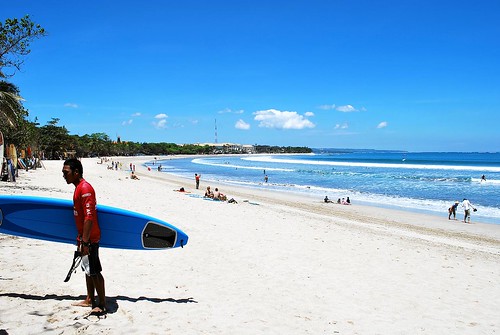
Lush and languid, Bali beguiles with its beach-side charms. Bali is so picturesque that you could be fooled into thinking it was a painted backdrop: rice paddies trip down hillsides like giant steps, volcanoes soar through the clouds, the forests are lush and tropical, and the beaches are lapped by the warm waters of the Indian Ocean.
Yes, Bali has beaches, surfing, diving and resorts great and small, but it's the essence of Bali - and the Balinese - that make it so much more than just a fun-in-the-sun retreat. It is possible to take the clich é of the smiling Balinese too far, but in reality, the inhabitants of this small island are indeed a generous, genuinely warm people. There's also a fun, sly sense of humour behind the smiles; upon seeing a bald tourist, many locals exclaim 'bung ujan' (today's rain is cancelled) - it's their way of saying that the hairless head is like a clear sky.
The beauty of Bali is precisely the elusiveness of Bali, and the fact that most of what is happening, in the air, the soil, around you, is taking place in a language you can't decipher.
Destination Facts
Time zone: GMT +8
Area: 5620
Coordinates: -8.5 latitude and 115 longitude
Population: 3551000
Currency: Indonesian Rupiah (Rp)
Area codes: 0361 (Central Mountains, East Bali, South Bali, West Bali & Ubud), 0362 (North Bali) and 0370 (Lombok)
Getting there and away
Most international visitors to Bali will arrive by air, either directly or via Jakarta. For island-hoppers, there are frequent ferries between eastern Java and Bali, and between Bali and Lombok, as well as domestic flights between the islands.
Getting around
On Bali, the best way to get around is with your own transport, whether you drive, hire a driver or ride a bike. This gives you the flexibility to explore at will and allows you to reach many places that are otherwise inaccessible. Public transport is cheap but can be cause for very long journeys if you're not sticking to a major route. In addition, some places are just impossible to reach. There are also tourist shuttle buses and these combine economy with convenience.
Weather
Just 8° south of the equator, Bali has a tropical climate - the average temperature hovers around 30° C (mid-80s° F) all year. Direct sun feels incredibly hot, especially in the middle of the day. In the wet season, from October to March, the humidity can be very high and oppressive. The almost daily tropical downpours come as a relief, then pass quickly, leaving flooded streets and renewed humidity. The dry season (April to September) is generally sunnier, less humid and, from a weather point of view, the best time to visit, though downpours can occur at any time.There are marked variations across the island. The coast is hotter, but sea breezes can temper the heat. As you move inland you also move up, so the altitude works to keep things cool - at times it can get chilly up in the highlands, and a warm sweater or light jacket can be a good idea in mountain villages such as Kintamani and Candikuning. The northern slopes of Gunung Batur always seem to be wet and misty, while a few kilometres away, the east coast is nearly always dry and sunny. Air-con is not really needed on Bali at night. A cool breeze always seems to spring up in the evening, and the open bamboo windows, so common in Balinese architecture, make the most of the light breezes.
Places of Interest
Adventure looms large in this vast and steamy archipelago, where the best of southeast Asia's spicy melange simmers tantalisingly. Heady scents, vivid colours, dramatic vistas and diverse cultures spin and multiply, their potent brew leaving your senses reeling. Indonesia's cities are in a constant state of urban evolution, where dense populations, technology and construction live in hectic symbiosis. But most of the archipelago's territory remains unexplored, concealing a wealth of cultures and a myriad of landscapes.
Events
Apart from the usual western calendar, the Balinese also use two local calendars, the Hindu saka and the wuku. The wuku calendar, which is used to determine festival dates, uses 10 different types of weeks between one and 10 days long, all running simultaneously! The intersection of the various weeks determines auspicious days. It's impossible to work it out yourself: when you arrive in Bali, go to a tourist office and ask which festivals and celebrations are coming up. Try to get to at least one. The Galungan Festival, Bali's major feast, is held throughout the island and is an annual event in the wuku year. During this 10-day period all the gods come down to earth for the festivities and barongs (mythical lion-dog creatures) prance from temple to temple and village to village. The last and most important day of the festival is Kuningan. Nyepi is the major festival of the saka year - it's the last day of the year, and usually falls towards the end of March or the beginning of April. The day before is set aside as a day of purification across the island. The night before, evil spirits are noisily chased away with cymbals, gongs, drums and flaming torches. On Nyepi itself, everyone stays quietly at home, making no noise, using no lights and doing no cooking. The idea is that when evil spirits descend, they are fooled into thinking that Bali is uninhabited and leave the island in peace for another year.
Warning
High level terrorism-related warnings have been issued by Western governments concerning travel in Indonesia. Travellers are advised to check their local consular information and monitor the situation in Indonesia closely before making travel plans. Check out Safe Travel for current government warnings.
Lush and languid, Bali beguiles with its beach-side charms. Bali is so picturesque that you could be fooled into thinking it was a painted backdrop: rice paddies trip down hillsides like giant steps, volcanoes soar through the clouds, the forests are lush and tropical, and the beaches are lapped by the warm waters of the Indian Ocean.
Yes, Bali has beaches, surfing, diving and resorts great and small, but it's the essence of Bali - and the Balinese - that make it so much more than just a fun-in-the-sun retreat. It is possible to take the clich é of the smiling Balinese too far, but in reality, the inhabitants of this small island are indeed a generous, genuinely warm people. There's also a fun, sly sense of humour behind the smiles; upon seeing a bald tourist, many locals exclaim 'bung ujan' (today's rain is cancelled) - it's their way of saying that the hairless head is like a clear sky.
The beauty of Bali is precisely the elusiveness of Bali, and the fact that most of what is happening, in the air, the soil, around you, is taking place in a language you can't decipher.
Destination Facts
Time zone: GMT +8
Area: 5620
Coordinates: -8.5 latitude and 115 longitude
Population: 3551000
Currency: Indonesian Rupiah (Rp)
Area codes: 0361 (Central Mountains, East Bali, South Bali, West Bali & Ubud), 0362 (North Bali) and 0370 (Lombok)
Getting there and away
Most international visitors to Bali will arrive by air, either directly or via Jakarta. For island-hoppers, there are frequent ferries between eastern Java and Bali, and between Bali and Lombok, as well as domestic flights between the islands.
Getting around
On Bali, the best way to get around is with your own transport, whether you drive, hire a driver or ride a bike. This gives you the flexibility to explore at will and allows you to reach many places that are otherwise inaccessible. Public transport is cheap but can be cause for very long journeys if you're not sticking to a major route. In addition, some places are just impossible to reach. There are also tourist shuttle buses and these combine economy with convenience.
Weather
Just 8° south of the equator, Bali has a tropical climate - the average temperature hovers around 30° C (mid-80s° F) all year. Direct sun feels incredibly hot, especially in the middle of the day. In the wet season, from October to March, the humidity can be very high and oppressive. The almost daily tropical downpours come as a relief, then pass quickly, leaving flooded streets and renewed humidity. The dry season (April to September) is generally sunnier, less humid and, from a weather point of view, the best time to visit, though downpours can occur at any time.There are marked variations across the island. The coast is hotter, but sea breezes can temper the heat. As you move inland you also move up, so the altitude works to keep things cool - at times it can get chilly up in the highlands, and a warm sweater or light jacket can be a good idea in mountain villages such as Kintamani and Candikuning. The northern slopes of Gunung Batur always seem to be wet and misty, while a few kilometres away, the east coast is nearly always dry and sunny. Air-con is not really needed on Bali at night. A cool breeze always seems to spring up in the evening, and the open bamboo windows, so common in Balinese architecture, make the most of the light breezes.
Places of Interest
Adventure looms large in this vast and steamy archipelago, where the best of southeast Asia's spicy melange simmers tantalisingly. Heady scents, vivid colours, dramatic vistas and diverse cultures spin and multiply, their potent brew leaving your senses reeling. Indonesia's cities are in a constant state of urban evolution, where dense populations, technology and construction live in hectic symbiosis. But most of the archipelago's territory remains unexplored, concealing a wealth of cultures and a myriad of landscapes.
Events
Apart from the usual western calendar, the Balinese also use two local calendars, the Hindu saka and the wuku. The wuku calendar, which is used to determine festival dates, uses 10 different types of weeks between one and 10 days long, all running simultaneously! The intersection of the various weeks determines auspicious days. It's impossible to work it out yourself: when you arrive in Bali, go to a tourist office and ask which festivals and celebrations are coming up. Try to get to at least one. The Galungan Festival, Bali's major feast, is held throughout the island and is an annual event in the wuku year. During this 10-day period all the gods come down to earth for the festivities and barongs (mythical lion-dog creatures) prance from temple to temple and village to village. The last and most important day of the festival is Kuningan. Nyepi is the major festival of the saka year - it's the last day of the year, and usually falls towards the end of March or the beginning of April. The day before is set aside as a day of purification across the island. The night before, evil spirits are noisily chased away with cymbals, gongs, drums and flaming torches. On Nyepi itself, everyone stays quietly at home, making no noise, using no lights and doing no cooking. The idea is that when evil spirits descend, they are fooled into thinking that Bali is uninhabited and leave the island in peace for another year.
Warning
High level terrorism-related warnings have been issued by Western governments concerning travel in Indonesia. Travellers are advised to check their local consular information and monitor the situation in Indonesia closely before making travel plans. Check out Safe Travel for current government warnings.
Subscribe to:
Posts (Atom)